
An Obsessively Curated List of Clean and Tasty Packaged Food Products (Part 3 – P to Z)


Happy Girl Kitchen Pickled Zucchini
February 1, 2017
By Lisa Petrison
This is part of a discussion of exceptional food products that may be worth considering by those who would like to really enjoy eating while simultaneously avoiding the large amounts of glyphosate, mycotoxins and various other poisons that are pervasive in the modern food supply (and in particular in the modern U.S. food supply).
Links to all three parts are as follows.
All products mentioned in this article should be assumed to be without ingredients that have been treated with non-organic pesticides/fungicides/herbicides as well as gluten-free, unless stated otherwise.
It is my goal that only items that are GMO-free and glyphosate-free be included in this entire discussion. To my knowledge, the only exceptions are a few meat or dairy products for which a small percentage of the animal’s feed may have consisted of GMO grains or alfalfa; these are marked as noted below.
Items listed at the bottom of each category are ones that I have consumed repeatedly myself and feel comfortable recommending to others, in terms of my belief that they likely will be free of unacceptable amounts of toxicity and that they likely will provide an enjoyable eating experience.
Notations on the lists are as follow
(1) – Item may contain gluten or gluten cross-contamination.
(2) – Item may contain products that were grown with non-organic herbicides/fungicides/insecticides (or where the involved animals may have consumed such products).
(3) – Item consists of dairy or meat from a largely grass-fed animal receiving some supplemental feed, including a small percentage of feed with the potential of having been glyphosate-contaminated.

Pasta – Gluten-Free
In comparison taste testing, it is always surprising to me how much I like the two major Italian brands of organic, gluten-free pastas.
The Bionaturae Gluten-Free Pasta (which includes rice flour, potato starch, corn starch and soy flour) is especially close to Italian wheat pasta, but even the Jovial Gluten-Free Pasta (which contains only brown rice) is pretty good.
I recently was especially impressed by the Jovial Gluten-Free Egg Pasta, which makes a great substitute for the Bionaturae wheat product that I usually use.
Although I seem to do perfectly fine with the Jovial and Bionaturae wheat pastas too, I do not feel that it is a sacrifice at all to eat these non-gluten pastas.
Another brand of gluten-free Italian-style pasta that I have tried a few times is Tinkyada, which is produced in Canada. It is a non-organic brown rice pasta with a good bit of rice bran added in order to facilitate longer cooking times. It has not felt as good to me as the Jovial Gluten-Free Pasta, but it is pretty widely available and I would be willing to eat it in a pinch.
Moving on to Asian-style pasta: recently I tried eight different flavors of King Soba’s gluten-free and organic Japanese-style rice noodles, including sweet potato/buckwheat, black rice, wakame and pumpkin/ginger as well as some plainer varieties. Although the noodles are made in China, they felt fine to me and all the flavors tasted quite good.
(A discussion of King Soba’s Ramen products – which I also liked quite a bit – is in the Quick Meals section of this article.)
King Soba also makes what it calls Pad Thai Noodles and Vermicelli Noodles. The noodles contain corn starch and potato starch as well as rice, which makes them seem more like wheat noodles than the plain rice noodles usually used in Pad Thai. Both of these products are really good though.
For classic rice noodles, I likely will continue to use the stir-fry rice noodles or thin rice noodles from Thai Kitchen. They are made in China from non-organic white rice and have always felt reasonably clean to me.
Considering how much glyphosate is used in China and how toxic the country supposedly is in general, it at first was perplexing to me how consistently clean all the pasta products from there have felt to me. My best guess here is that especially since China engages in substantial trade with Taiwan (where allowable glyphosate levels in foods are very low), they likely are being very careful to make sure that exported foods do not have any substantial amounts of glyphosate contamination so that their reputation is not ruined.
The 100% Buckwheat Soba (non-organic and non-GMO) that is imported from Japan by Eden Foods is a denser and heavier pasta that I have thought was pretty good. I would be interested in trying more of the traditional Japanese pastas imported by Eden.
Jovial Gluten-Free Brown Rice Pasta
Pasta – Wheat
After a lot of trial-and-error with North American pasta products, I finally gave up on them entirely and decided to stick solely with Italian and Asian products.
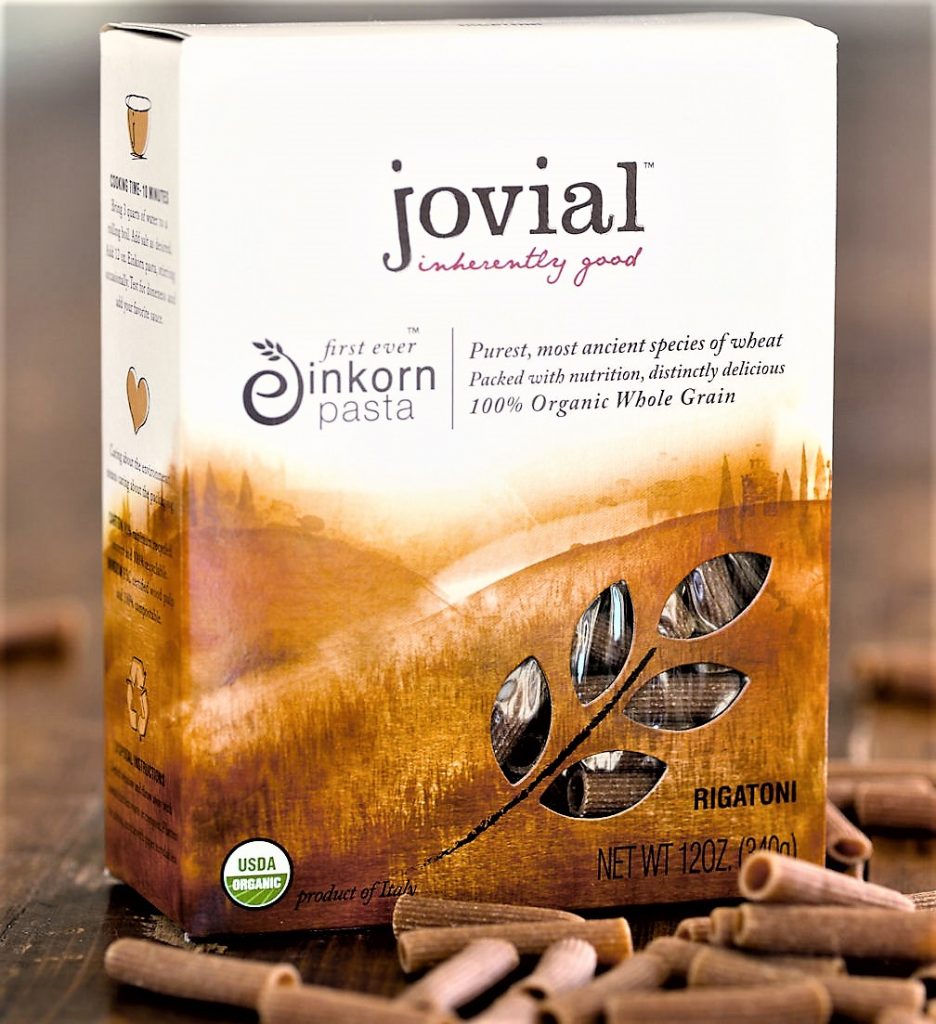
I frequently choose Einkorn wheat pasta, produced by Jovial. Einkorn is an ancient grain that is tolerated by many people who do not do well with modern wheat (and that was brought as a good option by Dr. William Davis in his book Wheat Belly).
Einkorn was virtually unavailable until the owners of Jovial decided to focus their efforts on bringing it back to life – first by arranging to have large amounts of it grown in Italy and then by getting the products made from it distributed on store shelves. In addition to the pasta, the company also sells Einkorn flour, tea cookies and sourdough snack crackers.
I find Jovial’s Einkorn pasta to be very tasty and clean, and I have done really well with it. Although it does contain gluten and thus is not suitable for those with true celiac disease, I have encountered quite a few people who are ordinarily much more reactive to wheat (including organic wheat) than I am who nonetheless can tolerate these products.
Although I really like Einkorn, my experience has been that it is much better suited to heartier pastas such as fusilli or penne than it is to spaghetti. For the latter, I prefer either Bionature Durum Semolina or one of the Italian gluten-free pastas.
I especially like Bionaturae Traditional Egg Pasta. I usually cook it until soft, then fry it in a skillet with some coconut oil until golden brown (flipping the whole thing just once to make a large noodle cake), and then finally top it with stir-fried vegetables with lots of sauce.
Recently, just as an experiment, I tried several random non-organic wheat pastas from Italy. They all felt fine to me – much better than the organic wheat pastas from the U.S. or Canada. Although I still am planning to stick with the organic Italian brands for home use, I think this could be useful information for eating in restaurants.
Finally, I really like the Mugwort Soba (a greenish pasta that includes wheat) imported from Japan by Eden Foods. Though it is not marked as organic, I am not especially surprised that it feels okay since allowable pesticide levels in Japan across the board are very low.
Bionaturae Durum Semolina Wheat Pasta (1)
Jovial Einkorn Wheat Pastas (1)
Personal Care
Products that come into contact with the skin on a regular basis are absorbed into the body in significant amounts, and so I try to be as careful about those products as the ones that I ingest.
Although it is challenging to recommend products to others because preferences as well as reactivities vary quite a lot across individuals, here is a list of some of the brands that I have done well with and that might be worth a try for those seeking products that are relatively free of toxic chemicals.
I really like the Just So line of natural soaps from mold survivor Andrea Fabry of the It Takes Time and momsAWARE websites. Andrea is at least as concerned about toxicity issues as I am, and everything that I have bought from her has seemed really clean and good to me. The soaps are available in a wide variety of formulations, including Skin Deep (with activated charcoal, zeolite, bentonite clay and Rhassoul clay); Natural Sea (with Aalgo seaweed); Sunrise (with red palm oil and mandarin essential oil); and Song of Solomon (with goat milk, manuka honey, dried cedar and frankincense essential oil).
Dr. Bronner’s makes a fairly widely available line of liquid soaps and bar soaps that use only natural ingredients and essential oils. The liquid is especially useful for camping since it is biodegradable and can be used for everything from bathing to shampooing to washing dishes to heavy-duty cleaning. (Dr. Bronner’s also makes a product made just for cleaning called Sal Suds, which I have not tried.)
For natural-type shampoos and conditioners, I have liked products from Acure; from Alaffia; from Suzanne Somers; and from Kiss My Face. (Those interested in trying new natural hair-care products may want to take a look at the results of a recent poll of the ones liked by Mold Avoiders group members.)
Styling gels that I have liked include Suzanne Somers and Aveda.
Fatco makes a line of clean moisturizing products based on beef tallow that have impressed me quite a bit. Their Fat Stick – which can be used as a lip balm or general moisturizer – is especially nice.
Just So also makes some very good natural face creams and lip glosses.
Both of these companies – Fatco and Just So – also make natural deodorants that I have heard good reports on even from people who say most natural deodorants have not worked for them.
The toothpaste brands that I like are Nature’s Gate, Dr. Bronner’s and Redmond Earth Paste.
I’ve tried a variety of makeup brands, including some natural ones, and seem to have done best with Aveda.
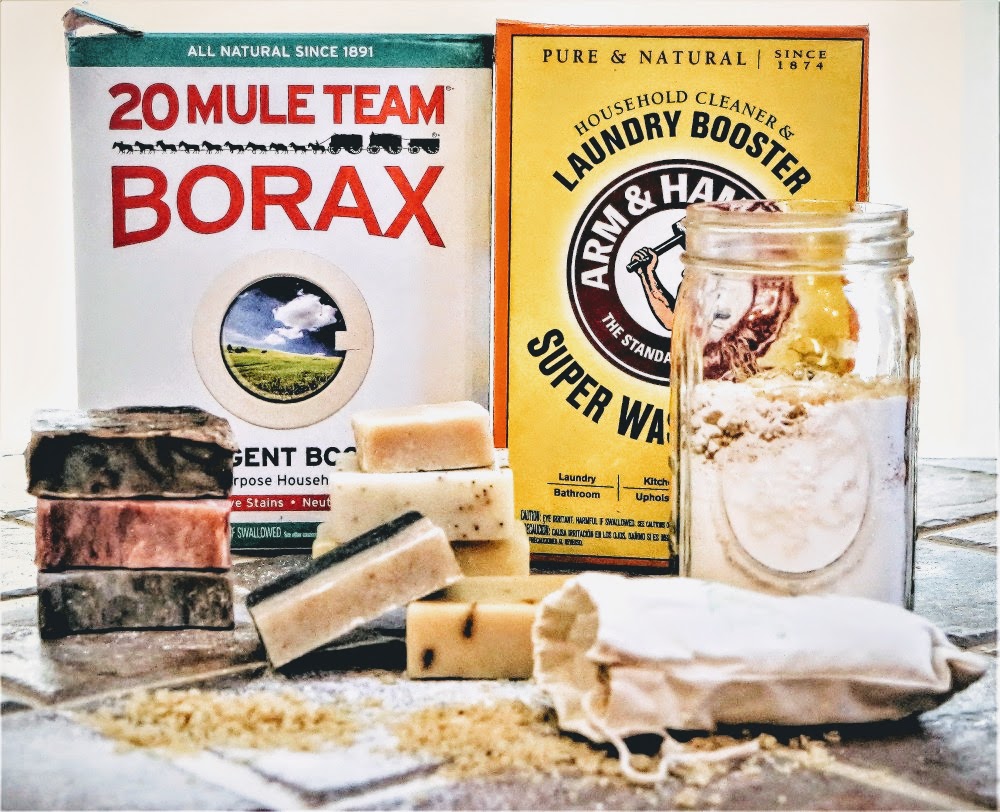
For laundry, for a long time I was only using a homemade mixture of washing soda, borax and castille soap (either Dr. Bronner’s liquid soap or grated bar soap).
The Just So line includes a Old-Fashioned Laundry Soap (consisting of pastured pork lard; coconut oil; effective microbes; and orange/lemon essential oils) is a good choice to use in homemade laundry detergent. They will grate the soap before sending it out upon request.
Although I like using the homemade laundry detergent, I also feel like sometimes my clothes get a lot cleaner with Tide Free & Gentle (especially when I am using a washing machine). That detergent feels okay to me at this point, but many people may not be able to tolerate it or want to use it.
A natural laundry product that I have yet to try but that gets great reviews on Amazon is Molly’s Suds. (I’m also interested in their wool dryer balls.)
For dishes, I always have thought that Dawn Dishwashing Liquid has been much more effective for washing dishes than natural products, and it has felt okay to me even when I was very reactive. I prefer Dawn Free & Gentle, but the Original Scent is not too bad either.
Kiss My Face Whenever (Shampoo/Conditioner)

Pickles & Olives
When I was living near Santa Cruz, I got to know the owners of Happy Girl Kitchen and was really impressed with them. Although their pickled vegetables (which include products such as carrots, beets, zucchini and peppers in addition to cucumbers) are on the expensive side, they are really terrific and would make an especially nice hostess gift.
Bubbies makes excellent shelf-stable bread-and-butter pickles (as well as refrigerated fermented dill pickles and green tomatoes). Although the ingredients list unspecified “sugar,” I did find this reference online stating that they are non-GMO.
Woodstock makes several organic pickles and relish products that I have purchased from time to time. They also currently are offering some limited-edition Pickled Baby Carrots that I have not yet had a chance to try.
Rick’s Picks produces a high-quality line of pickled cucumbers and other pickled vegetables. I tried the People’s Pickles (New York deli style) once and thought they were pretty good. I would want to check to make sure that they are using cane sugar before buying a variety that contains sugar though.
Stonewall Kitchen – which states that it uses only cane sugar and that nearly all its products are already GMO-free – produces several relish items (including an organic Spicy Corn and Tomato Relish) that I would like to try.
I’ve found most locally produced pickles and relishes from small farms to be really good when I have tried them, though I always am careful to make sure that they have used cane sugar or organic sugar rather than beet sugar.
I usually have a jar of capers open in the refrigerator, to use in tuna salad or sometimes on sauteed fish, and have been very happy with the wild capers from Mediterranean Organics.
Mediterranean Organics and Divina sell bottled olives that I buy on occasion and have felt good about. (Although I tend to prefer fresh olives from olive bars in natural food stores to bottled olives, I wish I knew more about those olives since no information is usually provided about them.)
Mr. Olive Organic Farm in Paso Robles, CA, produces some good bottled olives and olive tapenade, which it sells at farmers’ markets in central California as well as in its own store. Shipping costs are too expensive for getting their products sent elsewhere to seem to me a very good option though.
Once I tried some organic olives from Jeff’s Naturals and thought that they were okay.
I’ve also purchased olives (not marked as organic) from Santa Barbara Olive Company on a few occasions and thought that they felt okay.
An organic olive brand that I have yet to try is Amphora.
Finally, one of the best products that I have tried for the first time recently is Ginger People Pickled Sushi Ginger. It is much, much better than pickled ginger that I have had in any Japanese restaurant – yellow rather than pink (no food coloring) and and with a deliciously sweet/tangy flavor. Although I don’t serve sushi at home, I’ve found that it makes a particularly nice accompaniment for Asian stir fries, grilled cheese sandwiches, pot roasts and other rich cooked foods.
Bubbies Bread & Butter Pickles (2)
Ginger People Pickled Sushi Ginger
Happy Girl Kitchen Pickled Vegetables
*Mt. Olive Organic Farm Olives
Pizza
Virtually all frozen pizzas are filled with toxic ingredients and also do not taste particularly good. Because frozen pizzas have the innate potential of being healthful and tasty as well as convenient though, I put a good bit of effort at one point into looking into good options to the usual brands.
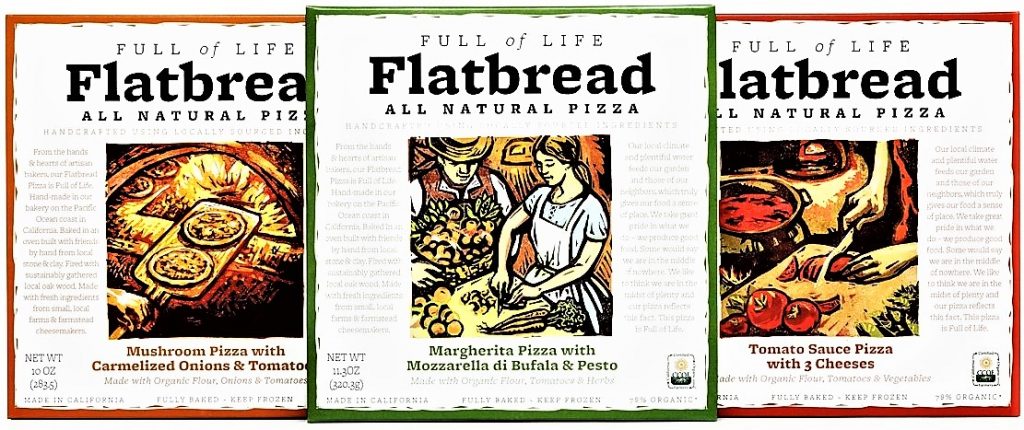
The only pizzas that we thought would be worth serving when we were doing taste-testing at Mercey Hot Springs were from Full of Life Flatbread, an award-winning, mostly organic pizza restaurant that has received a great deal of media attention (including mentions in The New York Times and the Los Angeles Times).
The restaurant is located in the tiny town of Los Alamos on the Central Coast of California. Almost all ingredients are sourced from small farms that are located within a 400-mile radius of the restaurant and that use sustainable and humane practices. The crust, veggies and herbs are 100% organic; the cheeses are made by local artisan producers.
The pizzas that go in the boxes and then are frozen are the basically the same as the ones that are served in the restaurant. Flavors include Margherita with Buffalo Mozzarella & Pesto: Mushroom with Carmelized Onions & Tomatoes; and Tomato Sauce with Three Cheeses.
Despite the fact that the cheeses are not certified organic and that I do not know for sure what the animals producing the milk ate, the pizzas in general felt really clean to me and were certainly very tasty. If I had access to them, I would eat them frequently.
For a number of years, Full of Life Flatbread frozen pizzas were being carried by the large natural-foods wholesaler UNFI, meaning that stores across the country had the option of carrying them. The retail price point in most stores was between $7-9 (for a small pizza serving 1-2 people).
More recently, subsequent to some changes in management at UNFI, the pizzas are no longer being carried by them. Full of Life is still producing a much more limited quantity of the pizzas, which it sells through a few nearby stores (including New Frontiers in Solvang and El Rancho Market in Santa Ynez). The restaurant is also shipping the pizzas independently to a few additional retailers in other states.
Looking at this from the perspective of a marketing professional, I think that this is rather a tragic story due to the missed opportunities that I am seeing and am hoping that there is still a chance for things to be rectified.
These pizzas are so good that I believe that if they were marketed correctly, they would serve as a reason for people who care a great deal about food quality and who are relatively price-insensitive to visit particular stores on a regular basis to pick up the pizzas (and then to buy a variety of other items with a larger markup while in the stores).
In addition, I believe that buying and serving the pizzas could be a simple and cost-effective way for mainstream restaurants to satisfy the needs of the growing segment of people who are looking for non-toxic and tasty menu choices and who are willing to pay a premium to get them (and who will bring their friends along to restaurants where they can find something on the menu to eat).
Our experience at Mercey was that even though the pizzas are not gluten-free or dairy-free, a high percentage of the very picky customers and staff were really looking forward to purchasing them on a regular basis. That makes me think that there is a big potential market of other people who also would be excited about the pizzas – provided that they are appropriately marketed so that people know how extraordinary they are and then have access to them, of course.
Very recently, I found in the organic freezer section of my local supermarket an organic roasted vegetable pizza sold under the name Monteli. It is made by an Italian frozen pizza company called Roncadin, which is located in a rural area near the Dolomites mountains. They claim that the pure water in the area and their other high-quality ingredients make for an exceptional pizza, and I will say that I thought that product I tried (especially the sourdough wheat crust) was quite good. All the ingredients listed are just normal foods that would go into homemade pizza, and the end product was really tasty.
The version that I tried contained spinach, red and yellow peppers, broccoli and zucchini. There were a reasonable number of vegetables, but I grated a good bit of extra cheese on top. With a salad, I thought that the pizza was a decent size for two people. There seem to be a few additional varieties available in the U.S (including arugula and cherry tomato; margherita; and three cheese), but otherwise I have been able to find out pretty little about this brand so far. Regardless, if my grocery store keeps stocking this pizza, I’m going to be buying it pretty frequently, I think.
I’ve never encountered any other frozen pizzas that I thought could be worth eating and so don’t have any other recommendations for this category, unfortunately.
One more thing that I realized about pizza while doing taste testing: as it turns out, by far the best way for the consumer to cook frozen pizza (or to re-heat leftover restaurant pizza) is to just pop it into a covered barbecue grill. The pizzas can go right on the metal grill (no pan needed), and they come out almost exactly like they were just baked in a wood-fired brick pizza oven.
Full of Life Flatbread (1, 2, 3)
Monteli Roasted Vegetable Pizza (1)
Popcorn
I really like popcorn and feel that it is a pretty healthy food for me. I previously cooked it in a heavy pan in coconut oil over medium heat, but recently I purchased a hot-air popper and now just top the popcorn with some melted coconut oil or red palm oil plus some melted butter and a little good salt.
So far, there is no genetically modified popcorn that has been brought to market (though GMO material still could exist in popcorn products due to cross-contamination or through added ingredients such as oils in microwave versions that I would never suggest eating regardless).
Roundup usage instructions state that it can be used on popcorn fields just prior to harvest or as a spot treatment during the growing season. However, the amount of glyphosate residue that is permitted on popcorn in the U.S. is the same low level that is permitted on rice (0.1 ppm compared to 30 ppm for most cereal grains). Although the government certainly is not being very thorough in testing for glyphosate residue in crops, the fact that I tend to do much better with popcorn than I do with any other U.S.-produced grain except for some brands of rice makes me believe that glyphosate levels in popcorn are indeed pretty low.
A bigger potential concern for me with popcorn is mycotoxin contamination. Since the U.S. government does not set allowable limits for the Fusarium trichothecenes that are the relevant mycotoxins, I tend to take into consideration how concerned the companies selling the popcorn appear to be about product quality when assessing likely mold levels.
Even though glyphosate does not seem to be used very much on popcorn, conventional popcorn is usually treated with a wide variety of chemicals. For instance, when I asked one specialty grower in Indiana what chemicals they used on their popcorn, the response was “We use herbicides, insecticides and fungicides.” Although I have eaten that company’s popcorn in the past without apparent negative consequence, I still would prefer to avoid having that many chemicals (especially the fungicides) in my popcorn if possible.
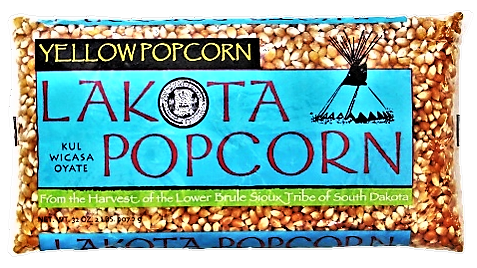
Recently I have been buying Lakota Popcorn, which is grown in a rural area of central South Dakota that felt really good to me when I drove through it a few years ago. I have done well eating this popcorn, plus I like supporting Native American food companies because I believe that they tend to be very good stewards of the land. The popcorn also tastes really good and pops up well.
The Lakota Foods website does not assert that the popcorn is organic or GMO-free, but it does state:
Nestled on the fertile banks of the Missouri River there is a land as pure as the harvest it produces. In harmony with nature we produce an agricultural product that is original of the Native Americans. Pure air, big blue skies, and an abundance of water has nourished the land and blessed the people of the Lower Brule Sioux Tribes. Here the Lakota people invite you to experience a richly unique taste and flavor of popcorn. This delicacy is from the very corn grown and popped around Tribal campfires for generations.
When I called Lakota Foods to inquire, they informed me that the only chemical used on the popcorn was a product called Diacon, which has as its active ingredient the insect-growth regulator methoprene.
Methoprene has been on the market since 1975 and EPA materials suggest that it has a very good safety profile. No harm was reported to mammals in laboratory studies even at the levels of the highest doses, for instance.
A book called The Organic Gardener’s Handbook of Natural Insect and Disease Control states the following about methoprene and other insect growth regulators:
Insect growth and reproduction is controlled by hormones that must be present in the right place at the right time and at the right concentration. Most insects shed their external skeletons periodically as they grow and develop. Juvenile hormone (JH) is one of the chemicals that help to regulate this process. However, if insects are exposed to it at the wrong time, they do not mature. Scientists have used this and similar concepts to develop insecticides that control several different important insect pests. Most available products use synthetic versions of naturally occurring insect growth-regulating hormones.
Since humans do not have the same chemical processes as insects, insect growth regulators are considered among the safest of pest-control products. They don’t irritate the skin or eyes, and since the growth-regulating hormones must be eaten by the insects to be effective, they are not as likely to affect beneficial and non-target insects.
I do not believe that Lakota is making a choice between using this pesticide and not using any pesticides at all. (Nor do I even think that popcorn likely should be grown without any pesticides, because insect-damaged popcorn is especially likely to be contaminated with mold and mycotoxins.)
Rather, if Lakota were not using the methoprene because it was working to gain organic certification, it almost certainly would instead be using at least one of the many allowed organic pesticides – which, though they are derived from plants rather than synthesized in a laboratory, still can have significant risks associated with them.
Prior to trying Lakota Popcorn, I was eating mostly organic popcorn from companies such as Eden and Arrowhead Mills, and I do not think there was anything at all wrong with those products. Still, I think it is quite possible that these companies are selling popcorn that has been treated with a variety of organic pesticides (such as herbicides and fungicides as well as insecticides) that are not any safer – and that possibly are less safe – than the methoprene that Lakota is using.
I would like to hear some comments summarizing people’s perspectives on methoprene, though.
Recently I purchased some of the Tropical Traditions GMO-Tested and Glyphosate-Tested Popcorn, which is grown in southwestern Wisconsin (about two hours north of my current residence) and stated as having no measurable glyphosate residue at all. It was quite expensive (especially for the shipping charges) and not stated as being organic, but I wanted to try it for the purposes of writing this blog.
Although Tropical Traditions would not reveal the name of the farm growing the popcorn, there are many Amish farms in the “Driftless” area of Wisconsin where the popcorn is stated as being grown. My guess is that there are a bunch of Amish farms that do not use glyphosate clustered together, and that the natural hilly terrain of the area provides a barrier against pesticide drift from further away.
The popcorn is stated as being free of non-organic chemicals, with organic Bt insecticide being used as needed to control pests.
The popcorn is the old-fashioned “Ladyfinger” variety, with teeny-tiny kernels that all blew right out of my hot-air popper before they popped. I had to pop the corn in a pan on the stove.
The Lakota popcorn and the Tropical Traditions popcorn felt equally clean to me, and both were enjoyable to eat. Like other heirloom popcorns that I have tried, the Tropical Traditions popcorn was especially flavorful and sort of crunchy. The Lakota popcorn had much bigger and fluffier kernels, and it tasted like standard movie-theater type popcorn.
So the way I see it, those who are at all price-sensitive or want to use a hot-air popper likely should choose Lakota (or one of the organic popcorn products), while those willing to pay a high premium for additional taste may consider the Tropical Traditions.
I don’t see toxicity issues as being much of a factor in either product, and so while I will enjoy the Tropical Traditions popcorn that I have purchased, I probably won’t order it again unless the pricing is changed to make ordering a bag or two at a time to be more reasonable. I do really appreciate Tropical Traditions’ interest in the glyphosate issue though.
Tropical Traditions GMO-Tested and Glyphosate-Tested Popcorn (2)
Preserves
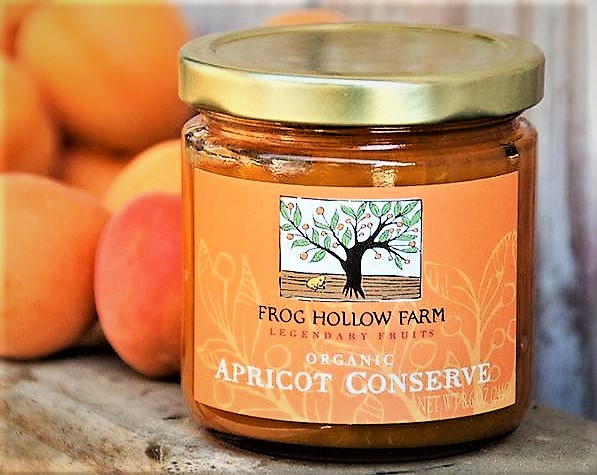
Happy Girl Kitchen and Frog Hollow are two small northern California companies making exquisite jams and chutneys from extremely high-quality fruits. These products are incredibly delicious and make nice hostess gifts. They contain organic sugar but are only moderately sweet compared to conventional preserves.
(Frog Hollow’s fresh fruit is also spectacularly good, and I suggest seeking them out at farmers’ markets and certain retailers in the San Francisco/Santa Cruz area if the opportunity arises. Also, Happy Girl runs a really nice organic vegetarian restaurant in Pacific Grove that is worth a stop if in the area.)
The Native American company Red Lake Nation produces a selection of non-organic jellies and syrups from hand-harvested wild fruit growing in northern Minnesota. I have tried the wild plum and the award-winning wild chokeberry, both of which were very interesting and delicious. The other varieties are wild blueberry, highbush cranberry, wild grape and wild hawthorn, and I am looking forward to trying them all.
In addition to the fruit, the Red Lake Nation products contain cane sugar, fruit pectin and citric acid. There is a moderate shipping charge for mail orders, but the items arrive quickly via Fed Ex and are carefully wrapped to protect against breakage.
Stonewall Kitchen is now making a few certified-organic items, and I tried a couple of their preserves. The Strawberry Vanilla Jam was one of the best preserves that I have had in my life (and I don’t even usually like strawberry jam that much!), in terms of both the quality of the fruit and the flavor combination. The Maple Apple Onion Jam is also excellent quality and goes great with pork chops or sausages or pulled pork (or with a little cooked bacon added it is wonderful with just about anything). I’m really interested in trying the other three new organic flavors (Blueberry/Cherry, Peach/Raspberry and Sweet Chili) as well.
The brand of preserves that I have eaten most often and really like is Bionaturae, which is from Italy and is low in sugar. In addition to the fruit, these spreads contain only fruit juice, lemon juice, natural fruit pectin, and ascorbic acid.
Another Italian company, Rigoni di Asiago, also makes organic fruit spreads containing only fruit, fruit juice and fruit pectin. I tried the apricot version recently and it was wonderful.
I occasionally have enjoyed Eden’s cherry, apple and apple-cherry butters (and would like to try the grape butter). These preserves contain nothing but pureed fruits and a little apple juice concentrate. Although I prefer a spiced apple butter, it’s easy to create that by adding my own cinnamon powder to their plain apple butter.
The marmalades and white fig preserves from Mediterranean Organics are pretty good. In addition to the fruit, they contain organic sugar, fruit pectin and citric acid.
I also have come across in my travels many small companies making preserves with local pesticide-free fruit, and those products are almost always very good. Provided that their makers can assure me that they are using cane sugar (which is virtually always the case), those local preserves are almost always my first choice.
Happy Girl Kitchen Jams & Marmalades
Mediterranean Organics Preserves
Red Lake Nation Foods Wild Fruit Jellies (2)
Rigoni di Asiago Fruit Spreads

Produce – Bottled/Canned
I tend to buy a fair amount of canned pumpkin, which I use for pumpkin soup, for baked custard (basically pumpkin pie without the crust and with very little added sweetener), and as an addition to Bulletproof “Get Some” ice cream (which I make substituting a little maple syrup for the suggested xylitol/erythritol). I also really like this recipe for Quinoa-Pumpkin Porridge.
I usually buy the Farmer’s Market brand of pumpkin (available in cans and boxes). Recently I also tried the company’s two other canned pureed products – butternut squash and sweet potatoes – and found them to be considerably better than I would have expected.
I think these products are good enough that they could be served plain (just heated with a little butter added) as a side dish, and they make a very nice basis for delicious and easy soups. The butternut squash also can be converted into a decent pasta sauce with just a few basic additions (e.g. tomato paste or ketchup, olive oil, milk or cream, grated Parmesan, good salt, black pepper, and some herbs or spices).
I recently tried Pacific’s new boxed cranberry sauce and really liked it. It’s not too sweet and is good enough quality that I would be willing to serve it to holiday guests. I may even open a box from time to time for no special reason, just to eat.
Although I usually eat fresh sauerkraut with live cultures, Eden makes a very good bottled cooked sauerkraut that is enjoyable warmed up in larger quantities, to serve with sausages or pork.
Woodstock also sells bottled sauerkraut, which I have not yet tried.
Although I usually do not do very well with packaged apple products (which I suspect is due to brown spots containing patulin being present in the processing), Eden Apple Sauce seems not too bad. I especially like the addition of strawberries or cherries in some of the products.
I sometimes buy artichoke hearts, water chestnuts, bamboo shoots or hearts of palm in cans or bottles. Native Forest has been a good brand for these.
Native Forest also produces a line of organic canned fruits – including pineapples and mangos – that could be especially useful for camping or travel. I tried the canned peaches and found them to be pleasant.
Mediterranean Organics sells whole, roasted red peppers in glass jars. Although they taste a little bit canned to me (maybe due to the citric acid used as a preservative), I think they could be nice to have around as an addition to sauces, stir-fries or other dishes when fresh produce is not going to be available.
Although I don’t recall ever eating other canned or bottled organic vegetables (other than house brands of canned peas and similar items), some additional high-quality canned goods would be really convenient for extended camping trips. I would like to hear about some more options.
Pacific Whole Berry Cranberry Sauce

Produce – Fresh
Most of the time when in the produce department, I am not looking at brand names. Although it could be that there are some brands that are better than others, I am not sure which ones those are.
I have purchased a whole lot of Bunny-Luv carrots for juice-making purposes though. Although they do not seem as good for snacking or cooking as many local carrots, they do not seem to need to be peeled before going into the juicer and are not very expensive.
Sometimes I buy salad greens in plastic boxes from big companies such as Earthbound Farms, but I prefer non-boxed greens if I can get them.
Recently I signed up for a Community Supported Agriculture (CSA) program and am mostly just eating what comes in the box (along with buying store produce to make carrot juice and apple juice). That has been a good experience – I have tried a wider variety of produce and eaten a lot more of it in order to use it up. (The CSA farm I have been using is Tree of Life near Hazel Green, WI, but there are many hundreds more scattered across the country.)
Although my diet tends to consist mostly of fresh produce for most of the year, during the winter months I tend to want a lot less of it. This seems as it should be since produce that is shipped a long way in winter is more likely to be moldy and in general tends to be lower in quality.
With very few exceptions (mostly just pineapples and asparagus), I make a point of purchasing just organic vegetables and fruits. However, I do think that non-organic produce is less likely to be problematic than other kinds of non-organic food (mostly because it is unlikely to be contaminated with glyphosate), and therefore try to stick with salad or other vegetable options if I have to eat in a non-organic restaurant.
For those who do not have access to or cannot afford only organic produce, Environmental Working Group provides “Dirty Dozen” and “Clean Fifteen” lists of produce items.
Another concern that I have with regard to vegetables is that it seems that they just are not as nutritious as they used to be, due to soil depletion. Ideally, farmers would be raising animals organically and then using the healthful manure to replenish the soil, but that is not what happens in most growing operations even in the organic sphere.
Claravale does sell what seems likely to be the best-quality manure on the face of the earth though. If I had a vegetable garden of my own (which I am not set up for at present), I very well might buy a bunch of it.

Produce – Frozen
I eat most produce fresh in season, but occasionally I will buy some frozen peas or some out-of-season frozen fruits (such as cherries, berries, peaches or cranberries).
I have heard that some frozen food companies source some of their produce from China, and so sticking with companies that are transparent about where they are obtaining their products seems important. Usually I choose the Woodstock brand, and I have been pretty happy with it.
I’ve had more limited experiences with the Sno Pac brand but have felt their products were pretty good too.
Note that I only eat a few frozen produce items and therefore cannot vouch for all of the frozen fruits and vegetables produced by these companies.
I suggest being especially cautious about frozen corn since I have had some problematic reactions to it (probably due to mold growth) and thus don’t eat it at all any more.
Sno Pac Frozen Fruits & Vegetables
Protein Powder
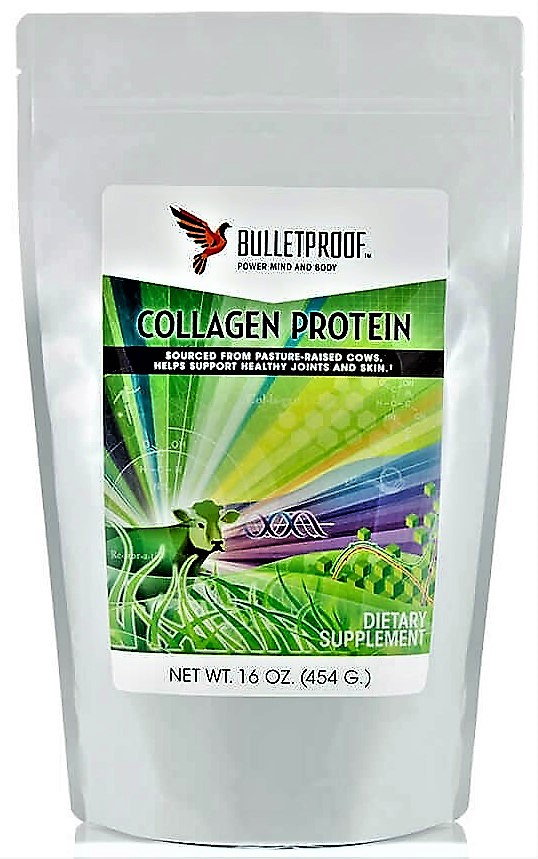
Although I do not use protein powders very often, the grass-fed whey protein and collagen protein products from Bulletproof seem much cleaner and more healthful than virtually all the other protein powders that I have tried (including other grass-fed ones).
I also once tried the plain version of the grassfed whey protein product from Tera’s Whey and thought it was pretty good.
Bulletproof Bread is made with just eggs and whey protein. It seems an interesting option, especially for those avoiding grains, but I will need to go buy an electric egg beater before I can give it a try.

Quick Meals
Especially for camping or other travel, but also for convenience reasons, it would be nice to have some clean and relatively healthful and tasty packaged options for meals not requiring any work.
Despite having spent a great deal of time looking for such products though, my list of acceptable alternatives in this category is pretty short.
The Mediterranean Organics Dolmas (grape leaves with seasoned rice stuffing) is a pretty good instant food option with no clean-up required, which makes it appropriate for – say – eating in the car.
I’ve had good experiences with basically every flavor of Pacific Soup that I have tried, which is most of them.
Recently I discovered King Soba Ramen Noodles, which contain only minimally processed organic buckwheat or rice. These regular ramen noodles (or other quick-cooking pasta) can be prepared almost as easily as incredibly unhealthy instant ramen noodles, just by pouring boiling water over them and letting them sit in a covered bowl for 10-15 minutes.
The water at this point will be pretty tepid, and so I suggest draining the noodles after they are soft. With the use of a thermos, the soaking water will stay hot longer (meaning that the noodles will cook faster and draining the tepid water will not be required), though the noodle cake will need to be broken into pieces to fit in the opening.
After the noodles are cooked and drained, a sauce consisting of some healthful flavoring ingredients – such as soy sauce, sesame oil, nut oil, miso paste (thinned in a little hot water), hot sauce, gomaiso, fish sauce, ponzu sauce, seaweed or umeboshi plum paste – can be added to them. I often add a touch of sugar to the sauce as well.
For a hot soup-type dish, the flavoring ingredients can be mixed with hot water and then poured over the cooked noodles. (A good bouillon product also could be used to flavor the hot water, though that would not be my choice since I don’t really like nutritional yeast.)
The above are the only “Quick Meals” products that I ever eat myself (except when I am taste-testing products), and thus are the only ones I am including on the recommended list at the bottom of this section.
Following is a discussion of some other products that seem clean enough that they might be worth considering in certain circumstances.
Canned baked beans have a long history of being a good convenience meal, and there are several products available that are labeled organic and gluten-free. In tasting three different brands recently, I thought the Walnut Acres one (maple/onion) was a little better than the others, but the Pacific and Amy’s versions were fine too.
Amy’s Soups (organic and gluten-free) are by and large not too bad, though some flavors are much better than others. The mixed-vegetable ones (such as French Country or Southwestern) and the legumes (such as lentil or split pea) seem to be the most reliable.
Amy’s Chilis (labeled organic and gluten-free) are edible, especially if you add grated cheese and maybe a little onion to them.
Wild Garden Hummus (which is gluten-free but not stated as either non-GMO or organic) is pretty good in terms of taste and texture; is made from simple ingredients relatively unlikely to be contaminated with glyphosate; and is available in single-serving pouches as well as glass jars. My feeling about it is that it is clean enough that I would not be afraid to eat it occasionally, but not clean enough that I would want to eat it very often.
Eden makes a variety of rice-and-bean combinations (labeled organic and gluten-free) that are tolerable, especially if you add some extra ingredients such as sauteed vegetables and cheese. Of course, at that point, a real meal could have been prepared instead.
Annie’s boxed macaroni-and-cheese dishes are available in several organic options (including one that is both gluten-free and organic). They are somewhat tasty and fairly easy-to-prepare. I still would much rather have a bowl of pasta with some butter and actual grated cheese on top, but I could see them as an option to take on a camping trip where refrigeration is not going to be available.
Pacific also has some new heat-and-eat polenta dishes that I would be interested in trying.

Restaurants
Increasingly, restaurants that specialize in offering the exact kind of food that I want to eat are opening up and turning into chains. I list the restaurants fitting into this category that I have visited and enjoyed below, and am especially happy to see that Flower Child and Tender Greens have opened a bunch of new locations recently. (The photo above is the downstairs dining room of the Flower Child in Del Mar, CA.)
If this trend continues, eating out is going to be a lot easier and more enjoyable for those who really care about what’s on our plates. I suggest checking to see if any such restaurants are available in your local area or in the places you visit before giving up and going somewhere else. (The Eat Well Guide is a good place to start an information search.)
If no such restaurants are available, then a compromise may be required. Following is a brief rundown on some of the national chain restaurants that may be have the potential of providing at least a few options worth considering in situations where dining in a restaurant is necessary.
Chipotle has made a commitment to be GMO-free and to serve a minimalist menu made from whole ingredients. Meats served in the restaurants still may receive some GMO feed, however, and their drink selection (mostly soft drinks full of glyphosate-contaminated corn syrup) is not even close to being acceptable. Still, I ate a meal at a Chipotle recently and was surprised at how relatively okay it felt – not just compared to other fast-food restaurants but to mainstream restaurants as well.
Panera has phased in a program where all food additives have been removed from all items on its menu. While nothing in the restaurants is guaranteed to be GMO-free, much less organic, I can generally find something to eat there and it also is a nice place to work on the computer.
Noodles & Company has removed artificial food additives from all the items on its menu and cooks with a variety of fresh foods (including an organic tofu option).
PF Chang’s discusses on its website the pride it takes in sourcing whole foods and preparing them in clean ways. It also was one of the first restaurant chains to offer a full gluten-free menu. I have generally done pretty well eating there and also at its subsidiary Chinese diner chain, Pei Wei.
California Pizza Kitchen and Cheesecake Factory both have numerous fresh salad and vegetable options that may provide a reasonable dining experience.
A few more restaurant chains where I have managed to find food that I was willing to eat in recent years: Au Bon Pain, Corner Bakery, Cracker Barrel and Panda Express.
Finally, as a general rule, I usually do fairly well eating in Japanese restaurants and very often choose them when dining out. I think it’s a good idea to bring along organic soy sauce – such as these convenient San-J tamari travel packets – to use instead of the glyphosate-contaminated stuff that the restaurant will undoubtedly provide though.
Another good option when eating in Japanese restaurants could be to follow Dave Asprey’s lead and mix the wasabi into Bulletproof Brain Octane Oil for sushi- or maki-dipping purposes. It’s actually pretty good that way! (Note that sushi and maki are available with many different ingredients, including with cooked salmon or just vegetables, and that my bringing them up here is not suggesting that I think it is a good idea to start eating raw, high-mercury fish on a regular basis.)
Salads tend to be a comparatively acceptable choice at many restaurants, especially if better dressing than the choices likely to be offered is brought along. Bringing along good butter or ghee to use on plain steamed vegetables is another option to consider when dining in certain restaurants.
Bulletproof Coffee (California)
Farmhouse Restaurant & Cafe (Taos, NM)
Flower Child (Arizona/California/Texas)
Happy Girl Kitchen Cafe (Pacific Grove, CA)
Palm Greens (Palm Springs, CA)
The Butcher & The Baker Cafe (Telluride, CO)
The North End Barbecue & Moonshine (Indianapolis, IN)
Trumpet Blossom Cafe (Iowa City, IA)
Vinaigrette (New Mexico/Texas)

Retailers
Whole Foods has done a remarkable job over the past two decades of bringing more healthful food to much of the U.S., but that does not mean that shopping there is necessarily the best choice in many or most circumstances.
Of the many local healthful food stores I have visited over the past five years, the most impressive is likely Bi-Rite. This is a teeny-tiny grocery store in San Francisco that considers supporting local growers and producers of extraordinarily high-quality organic food products to be a critical part of its core mission. It offers variety of prepared food (including some great ice cream) made in-house; operates a local farm (in part so that leftover food can be fed to pigs rather than thrown out); and wrote a book providing consumers with instructions on how to shop and eat better. Shelf space is extremely limited, but the quality of every single item is so good that buying anything there is a treat. In a TEDx talk a few years ago, founder Sam Mogannam talked about his conception of using the store as a way to unite consumers and producers in a community focused on the love of great food.
Some other local food retailers that have really impressed me include Cid’s Food Market in Taos, NM; Staff of Life Market in Santa Cruz, CA; the New Pioneer Food Co-op in Iowa City, IA; Choices Natural Market in Rockford, IL; Lazy Acres Market in Santa Barbara, CA; and the Community Food Co-Op in Bozeman, MT.
Another couple of food retailers that I heard really good things about when I was living in California were Berkeley Bowl Marketplace (in Berkeley) and BriarPatch Food Co-op (in Grass Valley), but I have not had a chance to visit them yet.
Of course, these are just a few of the outstanding local food stores out there. I would like to compile a comprehensive list, and so please mention others in the comments.
For mail order of packaged-goods products, I have been really impressed with Vitacost. Their selection is really good, providing easy access to many excellent products that I have rarely seen in most local retailers. They currently offer free shipping on orders of $50 or more, and everything arrives beautifully packaged in environmentally friendly materials. Pricing and inventory are both really good as well.
I also have purchased a whole lot of groceries via Amazon (which is often convenient since I am an Amazon Prime member but likely not the best choice from a cost perspective much of the time).
I’ve had a couple of positive experiences ordering from Tropical Traditions, which sells a variety of its own products as well as some other companies’ products through its website.
An online retailer with even deeper discounts than Vitacost on natural-type packaged goods (but that also has a membership fee of $60 per year) is Thrive Market. Dave Asprey did a podcast interview with founder Gunnar Lovelace about the concept last year. I have yet to order from them but probably at some point I will try them out (since the first order does not require the membership fee).
I also have yet to try ordering from iHerb. The company focuses mostly on supplements but sells some groceries as well.
Wilderness Family Naturals, which I also have yet to try, sells a very wide variety of its own products via its website.
Nuts.com sells a wide variety of nuts and many other products (most of them organic) on its mail-order site. I bought some nut milk from them and might consider ordering more from them in the future.

Rice
The main toxic threat with rice is that it tends to suck up heavy metals from the soil. This is a particularly pervasive problem when it comes to arsenic, apparently in large part because arsenic is routinely given to chickens to control parasites and then the chicken manure is used as fertilizer in rice fields (including rice fields designated as organic).
For a good while, I was experimenting with very prettily colored rices grown by poor people in faraway countries, sold in tiny bags at high prices. Although this concept held some visceral appeal, such a high percentage of these rice products felt really toxic to me that eventually I gave up entirely on it.
By far the cleanest and likeliest the tastiest rice that I have tried in recent years is the brown rice produced by Massa Organics. It’s the only rice I ever have encountered in the U.S. that seems similar in purity and quality to the rice that I encountered on my several trips to Japan, back in the late 1990’s and early 2000’s.
(Whether Japanese rice would still feel as good to me subsequent to the Fukushima disaster, I don’t know. I have not been to Japan since then, and they do not grow enough rice even to feed their own population and so don’t export any of it.)
The couple who started Massa Organics both have experience as plant biologists who became interested in sustainable agriculture. They state on their website (in all caps) that they started their company because they believed in the need to “STOP SPRAYING POISON ON OUR FOOD.” They began growing organic rice on their family’s farm (near Chico, CA) in the early 2000’s, rotating it with other crops and eventually deciding to start raising hogs in order to better fertilize the land.
They sell just one rice product: plain brown rice. It consists of short, plump, pretty grains that are very clean-tasting and full of flavor when cooked up.
The rice is available for a pretty reasonable price by mail order, at farmers’ markets, and in a few groceries in the San Francisco Bay Area. It’s gotten rave reviews from the SF Examiner (“the nuttiest, sweetest, sexiest brown rice”), from House & Garden (“a must for your larder”) and from Saveur (“the best brown rice”). I think it’s good enough that it’s worth the bit of extra effort it takes to obtain it.
The only other rice that I eat these days is from Lundberg Family Farms, which is located about a half-hour from Massa Organics in California. This is a larger company producing a very wide variety of rice types, all of which are reasonably priced and have consistently felt good to me. (Lundberg also has some hard evidence that its products are comparatively low in arsenic.)
Considering the number of varieties of rice and the total amount of rice that Lundberg produces, it’s pretty amazing how clean their product feels. Across the board, the products taste really good to me too.
(Although I buy only their organic rice, I have eaten Lundberg rice chips made from their non-organic rice on a few occasions and even they have felt okay.)
Note that although the amount of arsenic and other toxins in rice can be reduced to some extent by letting it soak overnight and then pouring off the soaking water, the organic rice from both Massa and Lundberg feels clean enough to me that I usually don’t even bother.

Salad Dressing
Except for the period of time when I was trying to find convenient food products to sell to Mercey Hot Springs’ guests, I have pretty rarely purchased bottled salad dressings. I find it much tastier to make my own dressings, which I usually do in about two minutes by mixing olive oil and vinegar (with a little bit of mustard, herbs and sweetener added) in a cup.
Sometimes I mix mayonnaise (homemade or bottled) and/or sour cream with flavoring agents – such anchovy paste, garlic, herbs, or honey and mustard – plus a little water, to create a creamy dressing.
Once in a while, I make up a batch of tahini dressing in the Vitamix or food processor. Japanese-style carrot-ginger dressing is also very good.
The only pre-made dressings that I have ever been very enthusiastic about are from Cid’s Food Market in Taos, NM. That local food store (which is great in a wide variety of ways) offers a line of really terrific, freshly made, mostly organic, refrigerated bottled dressings, including fermented blue cheese and ranch versions that will bubble all over the place if they are mistakenly left outside the refrigerator. I still miss those dressings and wish I could figure out how to make them.
Bottled shelf-stable dressings can be convenient for certain occasions such as eating out or camping however.
My favorite such dressings are made by Big Paw, a tiny company located in Hollister, CA.
Big Paw uses high-quality organic or pesticide-free California produce to make outstanding flavored balsamic vinegars and extra-virgin olive oils. They then mix these together (along with a few spices) to create what they call “bread dippers” – that is, unusually high-quality salad dressings. (My favorite bread dipper, the Spaghetti Western, also includes gorgonzola cheese, pickled garlic and brown sugar.)
Almost all of Big Paw’s many products (vinegars, olive oils and bread dippers) are currently priced at about $15 per bottle, and they will provide free shipping with the purchase of any four bottles. The flavored vinegars are different than any that I have seen elsewhere (and very good), and so it may be worth placing an order just to try those out.
Another good-quality line of dressings is made by Bragg Live Foods. Most of their dressings incorporate their own core products of apple cider vinegar, extra-virgin olive oil, “liquid aminos” (unfermented soy sauce), and herbs. They also make a fat-free, sugar-free, fruit-based dressing called Braggberry that many people rave about.
Recently I tried Primal Kitchen Honey Mustard Vinaigrette, which is a shelf-stable dressing containing non-organic avocado oil and a variety of other natural ingredients. Although I have yet to try the other dressings from the company – Greek Vinaigrette and Ranch – I thought that this one was quite good.
Although I don’t feel that I can exactly recommend Annie’s dressings due to the low-quality oils they use, they are widely distributed and their organic products are still much better than most options out there. Some flavors are much tastier than others though, with the Goddess (Tahini) and Shitake/Sesame versions usually getting the top marks.
Stonewall Kitchen has two brand-new, yummy-sounding organic dressings (Honey Orange Balsamic and Miso Ginger) that I would like to try. (Since the company claims that their whole product line is virtually free of GMO’s, some of their regular dressings may be worth considering as well.)
Tessemae’s (a broad line of bottled, organic food products that I have yet to try but that is popular among those following the Whole30 diet) makes several salad dressings with higher-quality ingredients.
I also am interested in trying the dressing lines from Wilderness Family Naturals and from Organic Girl.
Primal Kitchen Honey Mustard Vinaigrette (2)
Salsa
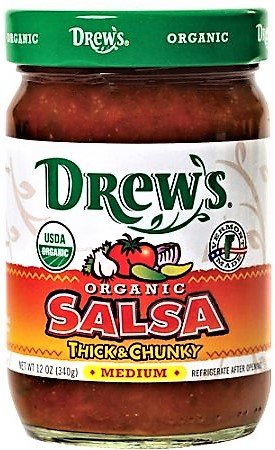
We sampled a great many organic salsa sauces when I was at Mercey Hot Springs, and the line that I thought was the best of the ones that we tried was Drew’s.
The salsas from Amy’s and Organicville were also pretty good.
Green Mountain Gringo makes a high-quality and reliably tasty salsa that I am glad to see is now labeled as GMO-free.
I’ve not yet tried the heirloom tomato salsas offered by Happy Girl Kitchen, but based on the quality of their other tomato products, I am sure that the salsas are outstanding too. They are pretty pricey at $10 per 16 ounces though, plus there is a shipping charge for mail-order.
Some newer organic salsas that I would like to try are Enrico’s and Naked Infusions.
Green Mountain Gringo Salsa (2)
Seafood
Unfortunately we appear to be rapidly reaching the point where it is seeming unsafe to eat any seafood at all, due to contamination of lakes and oceans with a wide variety of toxic substances.
In addition to the recognized threats of heavy metals, radiation, PCB’s and other human-made chemical contaminants, I am particularly concerned about toxicity from aquatic biotoxin producers such as cyanobacteria and diatoms. For instance, domoic acid (an aquatic biotoxin often brought up in the media as responsible for poisoning sea mammals) was reported as causing a great number of people to experience a condition named Amnesic Shellfish Poisoning (with symptoms extremely similar to classic Tahoe-style ME/CFS) back in the late 1980’s, but the concept that lower levels of this toxin or other aquatic biotoxins may be having a more widespread and insidious effect on people as a result of their seafood consumption has been almost entirely ignored.
Although I have not yet given up seafood entirely, I eat it pretty rarely (such as a few servings per month) and am careful in terms of the sorts of products that I am eating, both in terms of the particular variety and also the locations where they are obtained.
For frozen fish, I mostly stick to wild salmon or sometimes halibut. Over the past year I have been purchasing from Loki Fish, because that was a brand that my local food co-op was stocking. The company’s website states that they fish along the coastline in southeast Alaska and near Puget Sound. The product has felt good to me and I also like the way that it is packaged in small individual portions, and so I may order it through the company’s website now that the co-op has closed.
Vital Choice is a company providing both frozen and tinned seafood products through mail order that I also might consider using. I sampled a few of their products at a Bulletproof conference a while back and thought that they were pretty good.
For canned salmon and tuna (and once in a while for tiny canned shrimp), I have been happy with Wild Planet. They make an argument on their website that their catching methods result in tuna with lower levels of mercury and other toxicity. (I also have always preferred light tuna over white, and it turns out that that is lower in mercury and other contaminants as well.) Although it was my understanding that they previously were obtaining fish just from the Pacific, they now say that they source from “environmentally exemplary” fisheries from all over the world.
Regardless of the reason, Wild Planet’s products all feel pretty good to me, and I eat a can of their tuna or salmon every couple of months.
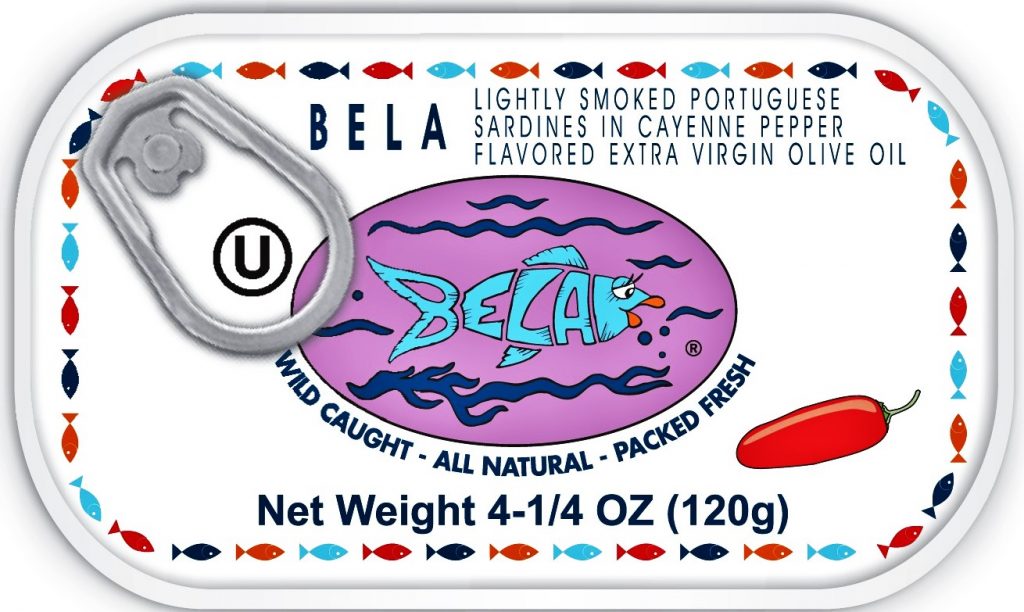
Although Wild Planet also produces good sardines, I prefer the ones from Bela. The company sources its sardines from the Algarve region in Portugal, an area reputed to be fairly pristine (certainly the pictures that I have seen make it appear to be pretty clean!) and the fish has tasted good to me. On average, I eat a can maybe once every couple of months.
Another good tinned seafood company is Cole’s, which also obtains sardines from Portugal (and other fish from throughout the world). I’ve tried a variety of their products and found them to be pretty good. I especially suggest them for those who prefer their sardines skinned and boned rather than whole.
(Note that the usual choice for such sardines – Crown Prince – has repeatedly felt noticeably toxic to me and so I cannot recommend them. Those sardines are sourced from Morocco, which looks pretty clean in pictures but perhaps actually is not.)
A final kind of seafood that I am very fond of is pickled herring, to the point where I likely have eaten more of it in the past few years than all other seafood combined. Pickled herring is a fermented food that I have done really well with when I have been feeling toxic, making me think that probiotic strains that tend to be present in this fish are more helpful to me than those that are typically present in other fermented foods or probiotic supplements.
I’ve yet to find a good mail-order supplier of pickled herring though, and being reliant on the brands chosen by local stores introduces an element of uncertainty into the situation. So I would like some suggestions on that.
One brand of pickled herring that I have never seen in stores is Bubbies. I have really liked Bubbies’ other fermented products and so would really like to try their pickled herring, if I ever could figure out how to get it.
Vital Choice Frozen/Canned Seafood
Seasoning Blends
Although I think it is a good thing for spices to be organic, it’s my feeling that an even bigger toxic threat than the sorts of pesticides used on on spices is mycotoxin contamination.
Mainstream brands of spices – including organic brands – often become ridiculously moldy and thus full of mycotoxins. Seeking out quality products where care has been taken to guard against spoilage of ingredients during the production process is really important, therefore.
A few basic multi-purpose organic seasonings that have felt consistently okay to me are the various spice mixtures made by Redmond and Bragg.
Wind Ridge – an all-organic herb farm located near Rockford, IL – sells a variety of herbal blends for salad dressings and seasoning.
I have in recent years purchased a variety of really good-quality spice and tasty blends from the Denver-based chain store and mail-order company Savory Spice.
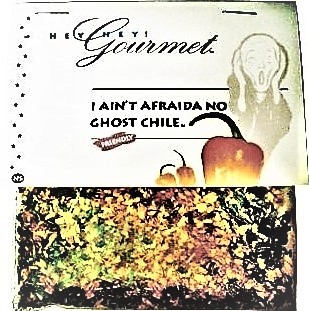
Hey Hey Gourmet (a tiny northern California company) also makes really good spice blends with many homegrown or certified organic ingredients. Their products are available by mail order with reasonable shipping costs.
Eden’s line of Japanese table seasonings – including their sesame seed and seaweed based sprinkling products – also seem to be consistently good.
Although it’s been a number of years since I have dealt with them, I also have had good experiences with the spice blends offered by The Spice House.
Hey Hey Gourmet Spice Mixes (2)
Savory Spice Blended Seasonings (2)
The Spice House Spice Blends (2)

Seaweed
Seaweed has the potential of soaking up toxic metals, radiation and other contaminants from the sea and thus of being toxic to those who eat it.
On the other hand, seaweed is said to have a wide variety of health benefits including reducing inflammation, which I would guess is at least in part a result of its ability to grab hold of metals and other toxins in the body and then to carry them out of the system. It also contains substantial amounts of iodine (usually helpful for the thyroid) and many other nutrients.
Because I do not feel that “science” has a good grasp on whether or not seaweed is a healthy food, I have been relying on my own intuition with regard to whether it is a good thing for me at particular points in time. Sometimes I really crave it.
And I will say that at least with regard to the nori seaweeds that I list below, I have never felt like the products have been toxic at all. They actually feel really clean to me.
From time to time, I also crave other kinds of seaweed, such as the kind sometimes offered as a side dish in Japanese restaurants. I’d like to find a good mail-order supplier of this kind of seaweed, as well as some good information sources for learning more about this whole product category.

Seeds
Seeds (including grain-like seeds such as quinoa) seem to be a little less likely to have toxicity issues than either nuts or grains, and many people report tolerating them pretty well in comparison to nuts or grains.
Quality is still really important in this category though, and some manufacturers are much better than others. I have used the products from the companies listed below repeatedly and it is my feeling that they are providing reliably good products.
One additional product that I have purchased a few times is Bob’s Red Mill Flax Seeds. However, that is the only product from that company that I am currently willing to use, because it has been my experience that the quality of their other products across the board has not been as high as I would like.
Braga Pumpkin & Sunflower Seeds
Woodstock Flax/Sunflower/Sesame/Pumpkin Seeds

Snacks
Snack foods tend to be a category where a lot of really toxic products get used surreptitiously. Even when products are labeled GMO-free, they have in some cases been found to contain large amount of GMO ingredients anyway and they also often feel poisonous to me.
For that reason, for my recommended list for this category, I have been especially vigilant about including only products that I have eaten many times myself and where the manufacturers seem to have a commitment to making products in the right way because it is something they believe in (rather than just because they think it will create more sales).
Of course, kale and beet chips seem on the surface to be healthy foods, and though they are high-priced, those are the snacks that I tend to eat the most often.
But even the potato chips and the tortilla chips and the pretzels on the list below are clean enough that I do not believe that they need to be limited just to unusually special occasions.
I’ve been satisfied with the quality of Late July’s multi-grain chips over the years and thus am happy that they are now also selling plain corn tortilla chips, which I prefer for serving with salsas or in taco salad. I recently tried a bag, and they were really good.
I also just tried the plain version of GimMe’s new seaweed chips and liked them quite a bit. Ingredients are brown rice; sunflower, safflower or red palm oil; lentils; roasted seaweed; sesame seeds; millet; sea salt; and caramel color. I’m looking forward to eventually trying out the sriracha, teriyaki and wasabi versions as well.
I’m not generally a fan of any kind of pre-packaged popcorn, but I have to say that the organic cheese in the Lesser Evil Buddha Bowl bagged popcorn (also flavored with coconut oil and Himalayan salt) has really impressed me in terms of how clean it feels as well as the taste. The other versions (plain and lightly sweetened) also feel really clean. Although this is no replacement for fresh-popped popcorn, I do see the appeal.
I usually eat the organic potato chips from Kettle. However, their non-organic potato chips (which are verified non-GMO and which come in snack sizes and a wider variety of flavors) also feel okay for occasional eating.
Occasionally I also have eaten potato chips (non-organic but non-GMO) from Boulder Canyon or Jackson’s Honest as well.
Lundberg’s Rice Chips is another non-organic, non-GMO product that I have eaten a few times and that has felt okay to me. (Plus I feel good enough about Lundberg as a company that I trust that their chips likely are fine.)
Although I rarely eat regular U.S. wheat unless it has been soaked/sprouted or made into sourdough, the Annie’s Cheddar Bunnies and Pretzel Bunnies (available in organic versions) are tasty and fun, and might be especially appealing to children not reactive to gluten.
Farmhouse Culture – which is one of my favorite companies – just announced a new certified organic line of Kraut Krisps that I am really looking forward to trying.
Alive & Radiant Foods Kale Chips
Late July Multigrain Tortilla Chips
Late July Restaurant Style Tortilla Chips
*Newman’s Own Spelt Pretzels (1)
Rhythm Superfoods Kale & Beet Chips

Spaghetti Sauce
Growing nightshade vegetables without pesticides is not that challenging, opening the door for many companies to produce certified organic spaghetti sauce sold at a low cost.
What is more difficult and expensive is to make sure that the produce is still fresh and non-moldy before it makes its way to the jar. Since it likely is tempting for manufacturers to cut corners and use vegetables that are past their prime, seeking out companies producing quality products is important in this category.
When we had spaghetti sauce tastings at Mercey Hot Springs, the hands-down favorites were the tomato-based sauces produced by Dave’s Gourmet. They tasted clean and had lots of unusually bright flavors.
The company also makes a wild mushroom sauce and a popular butternut squash sauce that – though not labeled as organic or GMO-free – taste clean enough that I still purchase them once in a while. (The company told me in an email that they source all their products as clean as they can but have to use certain non-organic items to stay at a viable price point.)
Another pasta sauce that I just had a chance to try for the first time was from Yellow Barn Biodynamic. Their pasta sauces are made of just a few ingredients, all of them grown on certified biodynamic farms and processed with a minimum amount of handling from field to jar. I was really impressed with how clean-tasting the sauce was and will definitely be seeking out this brand in the future. However, this line seems to rely more on the full, clean flavors of the ingredients themselves rather than on onions, garlic, peppers or other spicy flavors, and so those who want to kick it up a notch may need to be prepared to add some extras to the sauce.
Eden makes a spaghetti sauce that is less expensive than Dave’s or Yellow Barn but that also is pretty high-quality. I especially appreciate the fact that the company’s pizza/pasta sauce (which is a good base to use when adding extra ingredients) is sold in smaller glass jars (as well as cans) for a lower cost.
The Organicville organic pasta sauce also was judged as pretty good in the taste tests at Mercey, but it is hard for me to exactly recommend it due to its agave content.
I see a few more organic pasta sauces on the market that I have not yet tried, including Uncle Steve’s and Walnut Acres. I would like to have a spaghetti sauce tasting sometime soon.
Some of Stonewall Kitchen’s pasta sauces also may be worth trying, though I will be more comfortable when products from them are officially labeled as non-GMO (or better yet if they introduce some organic pasta sauces).
Finally, in my experience, local pasta sauce products made with pesticide-free produce by small companies that care about food quality almost always are quite good.
Yellow Barn Biodynamic Pasta Sauce

Spreads & Dips
I really like hummus and often make my own from scratch, using a food processor or high-speed blender.
Although we sampled many different hummus products when I was living at Mercey Hot Springs, the only one I liked very much was Hope Hummus. It tasted really clean and fresh, and will last for quite a while in the refrigerator prior to being opened.
The basic version of Hope Hummus contains just a few ingredients (garbanzos, tahini, olive oil, sea salt, lemon juice, spices, garlic, citric acid), and there are many flavor choices available.
I’ve always enjoyed the Spicy Avocado Hummus product from Hope, and now the company has just released a Green Chile Guacamole (in regular and spicy versions) as well. It contains only avocado, vegetables, herbs, lime juice and sea salt – no beans and no preservatives. (It will keep for quite a while in the refrigerator before being opened, but the package suggests finishing it off quickly once it’s opened up.) As packaged products go, it’s pretty good stuff.
Two promising newer hummus products that I have yet to try are Kirkland Organic Hummus (sold only at Costco) and Tribe Organic Hummus.
(Note that I discuss shelf-stable hummus in the Quick Meals category rather than here, because that seems a product with a different purpose than the much better refrigerated hummus.)
Another company that I am very enthusiastic about is Cultured Kitchen, which makes a line of delicious flavored cashew spreads under the name Cashew Reserve. We tried many of their products when I was at Mercey and everyone (vegan or not) really liked them.
The products (which are not stated as organic but use high-quality clean ingredients) are now being sold in Whole Foods markets and other health-oriented stores throughout California. I am hoping that eventually they will go nationwide.
A cultured cashew cheese product that already seems to be pretty widely distributed is Heidi Ho, a line of several certified-organic spreads. I’ve only tried one product of theirs so far, but the quality is obviously high enough that I feel comfortable recommending it (and will buy it again myself). The products do seem a little plain in comparison to the ones from The Cultured kitchen, but this would be easy enough to address by adding some ingredients to them.
I also tried a couple of cashew cheese products by Miyoko’s Creamery. Both of these products had a distinct tang – apparently from the miso and the nutritional yeast – but they are certified organic and felt really clean. A focus for this company seems to be especially on creating interesting textures – for instance, while the Double Cream Garlic Herb is a soft and spreadable cheese, the High Sierra Rustic Alpine is crumbly like fresh goat’s milk cheese. Although I enjoyed trying this company’s cashew cheeses, I sort of doubt I will buy them again since they are pretty expensive and since I’m not all that crazy about nutritional yeast.
The Cultured Kitchen Cashew Reserve (2)
Sweeteners
Virtually all of the time, I use only honey or maple syrup as sweeteners.
Processed sugar (regardless of whether it is from cane or coconut or agave) does not feel very good to me, and artificial sweeteners – including xylitol and similar substances – feel totally poisonous.
I am aware, of course, that many people – including some folks that I greatly respect – are taking the position that xylitol is a healthful alternative to sugar. Nonetheless, my own feeling is that it is a scarily heavily processed product that even in the preferred non-GMO form is made from a substance – wood pulp! – that people are not supposed to be eating, and therefore that my intuitive feeling that it is a really bad thing for me likely has some merit to it. A number of people – including Dr. Axe, Natural News and The Healthy Home Economist – have listed some specific issues with this substance that add to my concern about it. Therefore, while I might consider using small amounts of it as an alternative to even more toxic medications, such as in nasal spray form, I don’t think eating it as a food is a good idea.
While I don’t feel that natural stevia seems toxic, it tastes so bitter to me that I would prefer not to have any sweetener at all. This appears to be a genetic issue, and so don’t think that others need to avoid it if they find it to be enjoyable. (I would still be very inclined to avoid the more processed versions of it though.)
One of the reasons that I decided to stop paying any attention at all to trendy dietary advice and instead to stick scrupulously to consuming only natural foods that humans have been eating for hundreds or thousands of years was the story of agave, a heavily processed sweetener that was considered a wonder food by many health-oriented thought leaders for a few years but now seems to be viewed as substantially worse than white sugar. I never ate much agave to begin with because I just plain didn’t like it, and now do actively try to avoid it.
Although some of the products that I purchase include organic sugar or cane sugar in their ingredients, they are not items that I use very frequently. I usually wish that they were instead made with honey or maple syrup, because then I would feel a lot better about them.
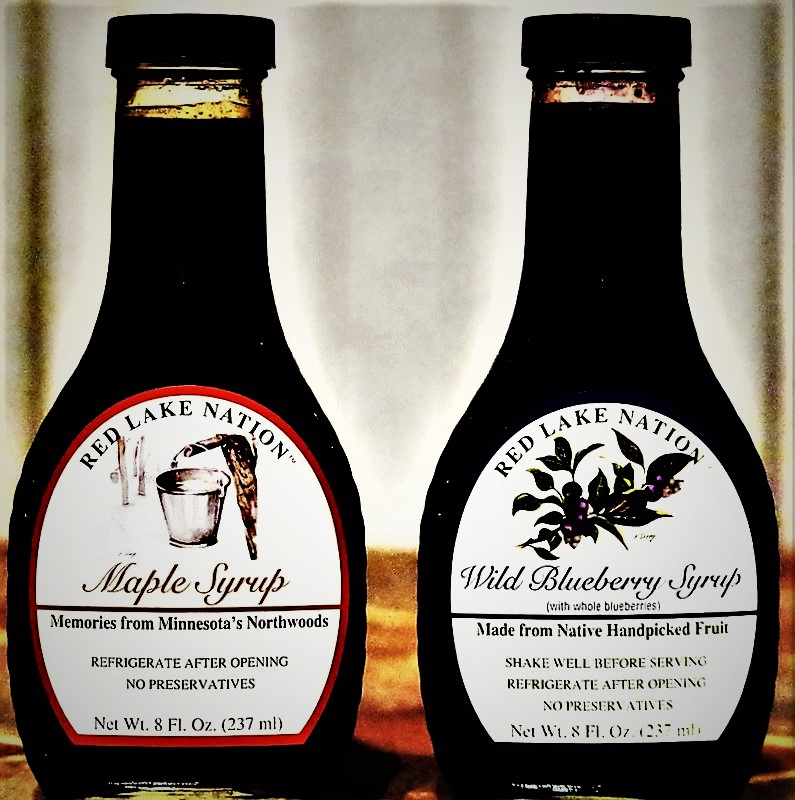
Now, all that being said, I will admit that the Red Lake Nation Wild Blueberry Syrup – made from wild fruit that is hand-harvested by Chippewa Indians living in the far reaches of northern Minnesota – is very likely the best sweetener of any kind that I have encountered in my whole life.
The syrup does have some cane sugar in it, true. However, mostly what I am noticing with it is the rich, intense flavor of the wild fruit. I had no idea that blueberries could taste so remarkable – it’s like every blueberry I have previously come across is just a pale copy in comparison.
Red Lake Nation also produces syrups from four other varieties of local wild fruit: wild plum, wild chokecherry, wild grape and wild highbush cranberry. I tried out the first two in jelly versions and really liked them, but now I want to order all of the syrups and try them out. And then maybe open an organic gluten-free pancake restaurant featuring the syrups as the centerpiece. If they all are as good as the blueberry one, I think it could be a big hit.
In addition, Red Lake Nation sells a maple syrup harvested from the same area in Minnesota as the wild fruit. I had always thought that all maple syrup was basically the same, but when I compared this maple syrup against two other products that I had thought were really good, this one blew them away in terms of the richness and complexity of the flavor. So now I would really like to go visit this part of Minnesota where the land is still fertile enough to be producing all these intense flavors.
In the past, I have purchased maple syrup either from local artisan producers or from slightly larger organic producers. One company that fits into both of these categories for me is Great River, an organic producer located in Iowa that runs a mail-order operation. I also have been satisfied with the organic syrup from Coombs Farms, which is based in Vermont.
The local Iowa brand that I use most often and really enjoy is Big Timber, but I do not think they are set up for shipping.
I’ve been concerned quite a while about glyphosate contamination of honey due to the fact that bees may pollinate crops that have been sprayed with glyphosate, and recent research suggests that cross-contamination indeed does frequently occur. Organic honey requires that the apiary be located in the middle of a chemical-free region that is 22 miles square (because bees can fly almost two miles to get food), which explains why so little honey is certified organic. Another factor is the attitude of the beekeeper – for instance, while some ask their neighbors when they will be spraying their crops and release the bees at different times, others are much less concerned.
Despite all these issues, I seem to have had some good luck buying honey from some local producers, including ones here in the agricultural Midwest. Recently I have been using Honey Bunny Honey from the local company Leonard Apiaries, a company operating in Iowa and Wisconsin, for instance.
For raw honey available through mail order, the products from Heavenly Organics – which are said to be obtained from bees located in remote forests in India and which are certified organic – have tasted and felt okay to me. Buying honey shipped in glass jars from the other side of the world is sort of the opposite of local and sustainable though.
I also once purchased some raw honey from YS Organic Bee Farms that felt okay to me.
A final sweetener that I tried once and thought was pretty good is the organic ginger syrup (sweetened with sugar) from Ginger People.
I do generally have a bag of regular organic cane sugar sitting around, which I use mostly for my periodic attempts to make kombucha and occasionally add in tiny amounts to Asian sauces. Wholesome Sugar and Woodstock Sugar are two brands that have felt okay to me.
*Red Lake Nation Maple Syrup (2)
*Red Lake Nation Wild Fruit Syrups (2)
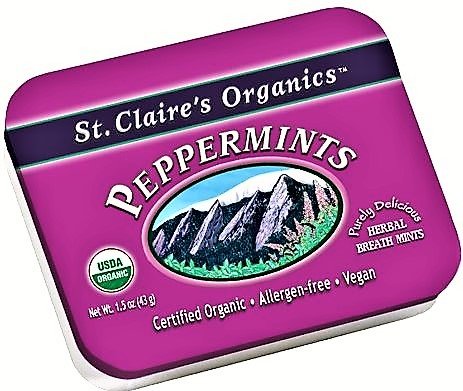
Sweets
For quite a few years I have been using the strongly flavored organic mints from Newman’s Own. They are pretty widely available (in tins or rolls) in cinnamon, ginger, peppermint and wintergreen varieties, and I’ve felt that they were a much superior product to others that I found on the market.
Pretty recently I discovered the mints from St. Claire’s Organics and realized that I like them even better though. These mints come in tins in a variety of flavors – including Peppermint, Wintermint, Spearmint, Ginger and Licorice – and contain only molasses crystals and organic essential oils. They are very strong and feel really good to me. (Note that I have not tried the raspberry and lemon flavors, which also include citric acid, though.)
St. Claire’s also offers tins of “aromatherapy pastilles” containing just molasses crystals and organic herbs: Tummy Soothers (with slippery elm, peppermint, cardamom, fennel, anise, spearmint, ginger, coriander, cinnamon and eucalyptus) and Throat Soothers (with slippery elm, licorice root, menthol, eucalyptus, echinacea, osha and capsicum).
(Although I feel a little bad about moving on from the Newman’s Own line, that is mitigated to a large extent by the fact that Nell Newman – the driving force for the organics business – was ousted from the company a while after her father’s death, explaining why focus on organic products seems to have disappeared from the organization in recent years.)
I have never been a fan of chewing gum, but Simply Gum – available in mint, cinnamon, ginger, maple, coffee and fennel flavors – actually is a really nice product. It contains just a few natural ingredients in addition to the natural flavor (natural chicle, organic cane sugar, organic vegetable glycerin and organic rice flour). The flavor lasts a pretty long time.
Although crystallized ginger is usually not too hard to find, the product offered by Ginger People is organic and very good quality.
Go Organic uses organic ingredients and natural flavors to make starlight mints and a wide variety of other flavors of wrapped hard candies. I tried the ginger ones and they were pretty good.
Phyto Plus makes organic licorice products under the Zagarese (very strongly flavored tiny candies consisting purely of natural licorice) and Zots (licorice chews and hard candies) names. I have heard some people suggest that these products have been helpful for supporting their adrenals.
I also have heard positive comments about Trader Joe’s organic Peppermints and Gingermints.
Ginger People Crystallized Ginger
St. Claire’s Aromatherapy Pastilles
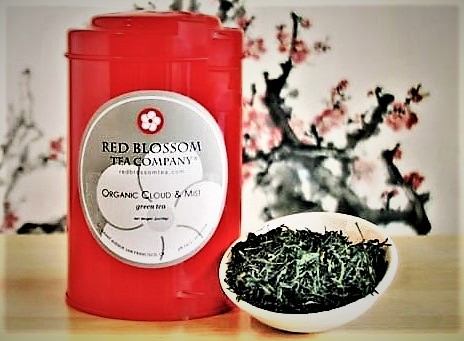
Tea
Most of the water that I consume is made into tea – usually green tea, but a little black tea and herbal tea as well. Tea quality thus is very important to me, and I have tried many different brands.
Conventional tea is grown in China and other countries with lax standards regarding pesticides, and pesticides are generally not washed off the tea prior to its being sold to consumers. I therefore feel that buying only organic tea from reputable companies is important.
If loose tea is not organic (or even if there is any doubt), then I would strongly suggest rinsing it with cold water in a strainer before brewing it with different water before use. I don’t think that this will resolve all toxicity problems, but I do think it may help at least somewhat.
I frequently find flavored teas to be enjoyable, but my experience is that this is only the case if the flavors are listed individually (e.g. “organic jasmine” or “organic peach flavor”). If the label instead just states “natural flavors,” this is a good sign that food-science mentality is at work and that the tea is going to taste weird to me (and that it probably has something toxic going on even if it is labeled as organic).
My usual tea brand these days is Positively Tea, sold in one-pound bags on Amazon by the same people who make Fresh Roasted Coffee. It is available in a wide variety of flavors (many of which I have tried) and is very tasty and clean. It’s also very reasonably priced at less than $20 per bag. I suggest starting with the Green Dragon Lemonade and then branching out.
Frontier sells organic loose tea through Whole Foods and other healthful food stores, as well as in one-pound bags through food co-ops and its own website. I don’t think it’s quite as good as Positively Tea across the board, but it’s close and for some varieties may even be better.
Both of these companies sell herbal teas, rooiboos teas and yerba mate tea, in addition to various green and black teas. Their products have been at least pretty good and often quite good for me across the board.
I also had a good experience with green rooiboos from Tega and so would be willing to buy from them again.
However, all the other experiences that I have had in buying moderately priced bulk tea through the Internet have been quite disappointing, and so I am sticking with just these companies at present.
The best premium tea that I have had has been from Red Blossom Tea, a specialty company with a very nice tea store in San Francisco. Not all of their products are organic, but all the organic ones that I have tried have been really stellar. These teas are expensive enough (ranging from 3-8 times what I am paying for the Positively Tea products) that at this stage in my life they mostly fall into the gift or special-occasion categories in my mind, however.
Recently I have become interested in pu-ehr (traditional fermented tea produced in Yunnan, China), and likely will order some Pure Puer (recommended by Andrea Fabry of the It Takes Time blog) soon to give it a real try.

Tea Bags
Because tea tends to be very contaminated with pesticides and because tea bags tend to use especially poor-quality tea, I don’t think it’s a good idea to ever use non-organic tea bags.
Therefore, although I mostly just use loose-leaf tea at home, I do purchase tea bags to take with me for use in restaurants and cafes since those places rarely have organic tea available.
My favorite brand is Mighty Leaf, which features very pretty teas packaged in little net bags. The quality seems pretty good to me, and I like the fact that I can see that there are whole tea leaves or big pieces of herbs in the bags.
Note that while I am concerned about the ingredients that make up the tea pouches (which are stated by the company as being made from “polylactic acid (PLA), which is derived entirely from renewable resources, such as corn”), Dr. Mercola seems to suggest that regular tea bags can be even more toxic. I therefore figure that I might as well use the Mighty Leaf (and the teas made from the pouches actually feel fine to me).
Another brand of tea that I really like is Eden, which offers a variety of traditional Japanese flavors of bagged tea (genmaicha, kukicha, sencha and hojicha) imported from Japan.
One more brand of bagged tea that I have been fairly pleased with across the board and that is not very expensive is Choice.
On occasion, I will drink some Guayaki yerba mate (for an energy boost) or some Traditional Medicinals herbal tea.
Traditional Medicinals Herbal Teas
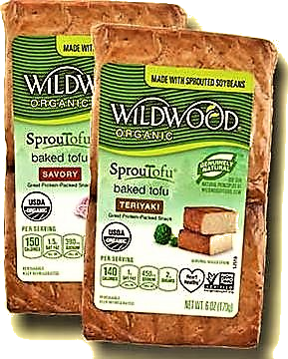
Tofu & Veggie Burgers
Soy is a food that has been widely vilified among people interested in health issues during the past few years. Some of these people even suggest that fermented soy is theoretically problematic and decline to eat products such as Mary’s Gone Crackers, due solely to the presence of a touch of soy sauce in the recipe.
I tend to think that this is going too far.
Unfermented soy does seem to have some potential to be problematic if eaten in quantity, but whether that means that it never should be consumed at all seems to be up for debate.
A problem with a lot of the research on soy is that it was done using industrial processed soy, which is contaminated with glyphosate and also is not in its natural form.
While unprocessed soy itself does present some theoretical concerns, most of the research that is out there (even the research that has used industrialized soy) suggests that soy is more beneficial than harmful (which could, of course, be due to just to the fact that it often has been compared in studies to industrialized toxic meat, which should not under any circumstances be consumed).
A few disparate opinions about soy (from most negative to most positive) are presented by Dr. Joseph Mercola; Nourishing Traditions authors Sally Fallon & Mary Enig; Dave Asprey; Chris Kresser; Dr. Mark Hyman; and The New York Times Well Blog.
Another question is whether sprouting tofu – as Wildwood does with all its soy products – is a good thing or a bad thing.
As a general rule, especially when there is controversy about a particular food type, I tend to consider how well my body seems to do with it when deciding whether to eat it. I seem to be able to tolerate organic soy just fine, and maybe once or twice a month I feel like eating some tofu in a stir-fry. So that is what I do.
Whether it’s due to the sprouting or to some other factor, I tend to feel especially good about the Wildwood brand and so usually stick with that when I can find it in stores. In addition to raw tofu, they also sell some flavored baked tofu products that I have enjoyed on occasion.
If I can’t get Wildwood, then I usually purchase Woodstock. But other brands of organic tofu (or even tofu marked just as non-GMO) have seemed reasonably okay too.
By far the best veggie burgers that I have had were at the restaurant Farmhouse Cafe & Bakery in Taos, NM. Those burgers are house-made and include a lot of New Mexico pecans, plus sunflower seeds, flax seeds, carrots and parsley. Eventually I learned to make something approaching them by adding plenty of nuts and seeds to Julie Genser’s recipe for Using Juice Pulp to Make Grain-Free Veggie Burgers here on the Living Clean blog. They are super-easy to create if you are making juice anyway, and I recommend that veggie burger fans give them a try.
Wildwood makes what was the top-rated frozen veggie burger that we tried when we were doing taste-testing at Mercey Hot Springs. (It also was one of the only wholly organic veggie burgers that was available at the time and was much higher in protein than most of the other contenders.) The burger is based on tofu and also contains canola oil, onion, carrot, kale, tapioca starch, sea salt and garlic powder (plus a few additional ingredients in the flavor variations).
Very recently, I tried a couple of varieties of the new line of Hilary’s Veggie Burgers. These are organic and free of a variety of common allergens (including soy, gluten, dairy, eggs, corn and nuts). The main ingredients are millet, quinoa and various vegetables. Protein content is low (4 grams compared to 11 grams for the Wildwood). Still, for a variety of other relevant aspects (taste/texture, toxicity issues, ingredient choices), this one seems a much more viable option than pretty much all of the other frozen veggie burgers out there. I do suggest pan-frying them with a good bit of oil though.

Tomatoes
Although most processed tomatoes are sold in cans, this is not a great idea since the acidity of the tomatoes tends to break down the can liner and to cause BPA (or similar substances present in non-BPA cans) to leech into the food.
In addition, unlike (say) beans, tomatoes are not generally rinsed after being removed from the can. Therefore, buying tomatoes in glass may be the best idea from a toxicity standpoint.
Another risk with canned or bottled tomatoes is that the manufacturer will have included tomatoes that are past their prime and that have been contaminated with mold growth. Choosing higher-end products from companies that care about food quality seems to reduce the likelihood that this will occur.
Of the brands listed here, Happy Girl Kitchen is the highest end, using expensive heirloom tomatoes bottled at their peak of freshness. The other products are very good too, however.
The one brand listed here that is not organic is Amore, which is from Italy where glyphosate is in limited use. This company sells several tomato pastes in tubes, which make it easy to use just a small amount as needed.
Bionaturae Strained Tomatoes & Tomato Paste
Mediterranean Organics Sun-Dried Tomatoes
Yellow Barn Biodynamic Tomatoes

Trail Mix
Braga sells on Amazon large bags of raw trail mix containing just their own quality pistachios, almonds, walnuts, cranberries and raisins. (I like to add some Dagoba Chocodrops and a little Redmond Real Salt to it though.) They also offer on their website a few other mixes of nuts, seeds and fruits that are appropriate for the trail or general snacking purposes.
Nana Joes makes a trail mix containing many discs of good dark chocolate, along with nuts (large almonds and pistachios), fruit (cranberries and coconut), seeds (pumpkin and flax), oats, maple syrup, olive oil and spices. The mixture is very well-balanced and (despite the chocolate) not too sweet, plus the ingredient quality is very good. It’s available through mail order as well as at certain farmers’ markets and stores in the San Francisco Bay Area.
Eden’s Quiet Moon trail mix is another good choice. It contains tamari-roasted pumpkin seeds and almonds, plus sunflower seeds, raisins and tart cherries. The product (which used to be called All Mixed Up Too) is available in one-ounce snack packs as well as four-ounce bags.

Vinegar
Although balsamic vinegar (like wine) has the potential of being contaminated with mycotoxins, Big Paw’s products feel clean to me and are available in many delicious flavors. I have really enjoyed the Mission Fig, Apricot Lavender and Blackberry Vanilla, for instance. Free shipping is currently available from the company with the purchase of any four bottles of the company’s products.
Bionaturae (an Italian company) also makes excellent classic balsamic vinegar that I have purchased many times.
A number of good flavored vinegars are produced by Wind Ridge, an organic herb farm in Illinois.
For apple cider vinegar, I always buy the raw version made by Bragg and have been happy with it.
Eden makes raw apple cider vinegar that I would guess is good, although I have not tried it yet.
Eden and Marukan sell good rice-wine vinegars.
Eden also imports from Japan a terrific Ume Plum Vinegar, which is salty and flavorful with the taste of umeboshi plums and that so far I have mostly used to flavor homemade kale chips or sauteed kale. It is not marked as organic but all of Eden’s products are stated as being GMO-free.

Yogurt & Kefir
I eat a lot of yogurt and kefir. Some of it is homemade (using packaged probiotics as the starter for the yogurt), but I also like good store-bought products. These fermented products feel really healthful to me and seem to be very helpful in countering toxicity in my system.
Likely my favorite yogurt is from Maple Hill Creamery. It is a 100% grass-fed dairy product that has a goodly amount of yellowish butterfat in it. It is a bit on the expensive side, but I often buy it anyway when I have access to it.
Another very good yogurt is Saint Benoit. This is a very creamy yogurt with almost a custard consistency. The brand used to be distributed in ceramic crocks but now is sold in glass jars. Although I almost never eat flavored yogurts, their Meyer Lemon is particularly good – it is not as sweet as many yogurts but is so rich and flavorful that it is like eating a really yummy dessert.
Traders Point Creamery – which raises certified-organic cows on 100% grass in central Indiana – offers a tangy, drinkable yogurt that I tried once and really liked.
Straus, Kalona SuperNatural and White Mountain produce what I consider to be more basic, everyday yogurts. (Note that I have only eaten the organic yogurt from White Mountain, since the non-organic version seems to have the potential of being contaminated with glyphosate.)
Stonyfield doesn’t seem quite as high-quality to me, but it is more widely available and is pretty good.
Green Valley Organics makes lactose-free dairy products, including a reasonably good milk kefir.
Bellwether Farms is a northern California company that produces sheep’s milk products, including yogurt. The animals are largely grass-fed and the company states that it makes an effort to source supplemental feed that is organic but that it cannot yet guarantee that none of the sheep ever have access to GMO feed. Sheep’s milk makes a much milder and more delicious yogurt than I would have thought, and I likely would eat this yogurt often if it were more widely available (and also if it were available in larger containers). It always has felt really good to me.
Bellwether Farms Yogurt (2, 3)
More Discussion
Links to all parts of this discussion of tasty and clean packaged food products are as follows.