
An Obsessively Curated List of Clean and Tasty Packaged Food Products (Index)


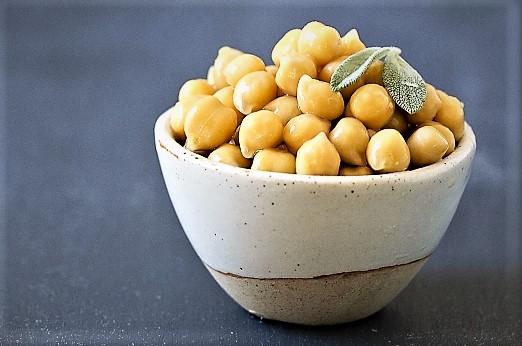
Jovial Chickpeas
February 1, 2017
By Lisa Petrison
This page is the index for a discussion of exceptional food products worth considering by residents of the U.S. who would like to really enjoy eating good food while at the same time avoiding the large amounts of glyphosate, mycotoxins and various other contaminants that are pervasive in the modern food supply.
Links to all parts are as follows.
Unless specifically noted, products listed are stated by their manufacturers as being produced in what I would characterize as “organic-type” ways.
For animal products (including meat, dairy and eggs), this is defined as meaning that the animals have eaten during their lifetimes only organic feed pesticide-free pasture, and that they have received substantial access to the outdoors rather than being kept in factory-farmed conditions.
While the animals certainly should not have received antibiotics in order to prevent disease or to make them gain weight, the temporary use of antibiotics in order to treat animals that have an active infection does not exclude animals from being considered as having been raised in “organic-type” ways for the purposes of this discussion.
For plant products, “organic-type” is defined as having been raised without the use of human-made chemicals such as insecticides, herbicides or fertilizers, except for the ones that are allowed for products that are certified as organic.
Although in most cases these products will have been grown on land that has been chemical-free for long enough to qualify as certified as organic, whether this is the case is not something that I have attempted to verify.
My experience is that many of the companies that are producing the highest-quality, toxicity-free products are doing so without their being officially labeled as organic, because getting certified would be so expensive for them. In the case of these small growers, I am evaluating whether their statements about growing procedures in the context of the other information that I know about the companies and in my own evaluations of the product quality.
For larger companies, and especially those owned by large food conglomerates, I more inclined to feel that proper certifications should be available to support the company’s claims about their products.
It is my goal that the products mentioned in this article should not have had any exposure to glyphosate and should not have had any connection to other GMO-associated chemicals (such as Bt corn, which produces its own pesticides).
Plant products should not have received any exposure to these chemicals at any time during the growing or processing products, and animals should not have had access to any foods contaminated with these chemicals.
The only exception (as marked) is for a very few companies (specifically Kerrygold, Double Devon Cream, Bellwether and Tanka Bar) where animals are primarily grass-fed but where a small percentage of supplemental feed may have been contaminated with glyphosate.
All items are stated by their manufacturers as gluten-free, unless noted.
If a company offers organic and non-organic versions of products, the discussion should be taken to be referring to the organic versions unless it is specifically noted otherwise.
At the end of each section is a list of products. Items in these lists are ones that I personally have used repeatedly and feel confident about recommending to others, based on issues of their being free of toxicity and about the likelihood that their taste and other characteristics will provide an enjoyable eating experience.
Although I mention other products throughout in the text, these are products that I do not feel comfortable recommending at this time.
All products in the lists at the bottom of each section should be assumed to be “organic-type” products as well as gluten-free, unless one or more of the following notations suggests otherwise.
(1) – Item is not gluten-free.
(2) – Item is not certified or non-certified organic.
(3) – Dairy or meat item produced from a largely grass-fed animal receiving some supplemental feed, including possibly a small percentage of GMO feed.
An list of product categories organized by type, with links to the appropriate pages, follows.
PRODUCT CATEGORIES
Fats
Protein
Dairy
Fruits & Veggies
Nuts & Seeds
Grains
Prepared Meals
Flavors Additions
Snack Foods
Drinks
Chocolate
Desserts
Cookies – North American Wheat
Sweet Things
Baking