
Mycotoxin Levels – Organic vs. Conventional Foods (Non-Grains)
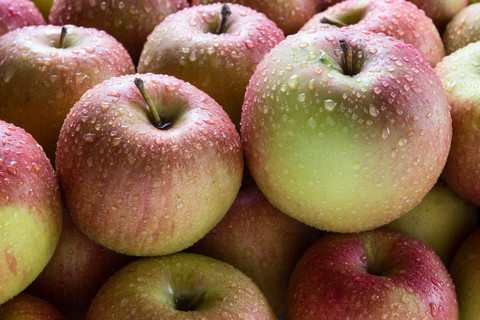
Mycotoxin Levels Similar in Organic and Conventional:
France (2017). Six mycotoxins not different in organic and conventional meats.
Italy (2015). Aflatoxin levels not different between organic and conventional milk.
Brazil (2013). Aflatoxin levels not different between organic and conventional coffee.
Denmark (2013). Mycotoxin levels equally low in organic and conventional strawberries.
Various (2006). Ochratoxin levels not different between organic and conventional wine.
Italy (2003). Patulin levels not different between organic and conventional apple products.
Norway (1999). Ochratoxin levels not different in organic and conventional cow’s milk.
Mycotoxin Levels Higher in Organic than Conventional:
Spain (2013). Patlun levels higher in organic than conventional apple juice.
Italy (2010). Ochratoxin levels higher in organic than conventional swine serum.
Italy (2008). Patulin levels were slightly higher organic than conventional pear juice.
Flanders (2007). Patulin levels were higher in organic than conventional apple juice.
Belgium (2006). Patulin levels were higher in organic than conventional apple juice.
Italy (2005). Patulin levels were higher in organic than conventional apple and pear juices.
Italy (2005). Aflatoxin levels higher in organic than conventional milk.
Dervilly-Pinel G, Guérin T, Minvielle B, Travel A, Normand J, Bourin M, Royer E, Dubreil E, Mompelat S, Hommet F, Nicolas M, Hort V, Inthavong C, Saint-Hilaire M, Chafey C, Parinet J, Cariou R, Marchand P, Le Bizec B, Verdon E, Engel E. Micropollutants and chemical residues in organic and conventional meat. Food Chem. 2017 Oct 1;232:218-228.
The chemical contamination levels of both conventional and organic meats were assessed. The objective was to provide occurrence data in a context of chronic exposure. Environmental contaminants (17 polychlorinated dibenzodioxins/dibenzofurans, 18 polychlorinated biphenyls (PCBs), 3 hexabromocyclododecane (HBCD) isomers, 6 mycotoxins, 6 inorganic compounds) together with chemical residues arising from production inputs (75 antimicrobials, 10 coccidiostats and 121 pesticides) have been selected as relevant compounds. A dedicated sampling strategy, representative of the French production allowed quantification of a large sample set (n=266) including both conventional (n=139) and organic (n=127) raw meat from three animal species (bovine, porcine, poultry). While contamination levels below regulatory limits were measured in all the samples, significant differences were observed between both species and types of farming. Several environmental contaminants (Dioxins, PCBs, HBCD, Zn, Cu, Cd, Pb, As) were measured at significantly higher levels in organic samples.
Country: France
Year: 2017
Food: Meats
Mycotoxins: 6 mycotoxins
Result: No difference
*
Armorini S, Altafini A, Zaghini A, Roncada P. Occurrence of aflatoxin M1 in conventional and organic milk offered for sale in Italy. Mycotoxin Res. 2016 Nov;32(4):237-246. PMID: 27632224
In the present study, 58 samples of milk were analyzed for the presence of aflatoxin M1 (AFM1). The samples were purchased during the period April-May 2013 in a random manner from local stores (supermarkets, small retail shops, small groceries, and specialized suppliers) located in the surrounding of Bologna (Italy). The commercial samples of milk were either organic (n = 22) or conventional (n = 36); fresh milk samples and UHT milk samples, whole milk samples, and partially skim milk samples were present in both the two considered categories. For the quantification of AFM1 in milk, the extraction-purification technique based on the use of immunoaffinity columns was adopted and analyses were performed using HPLC-FD. AFM1 was detected in 35 samples, 11 from organic production and 24 from conventional production. No statistically (P > 0.05) significant differences were observed in the concentration of AFM1 in the two categories of product. The levels of contamination found in the positive samples ranged between 0.009 and 0.026 ng mL-1. No sample exceeded the limit defined at community level for AFM1 in milk (0.05 μg kg-1). This demonstrates the effectiveness of the checks before the placing on the market of these food products. Thus, the “aflatoxins” problem that characterized the summer of 2012 does not seem to have had effect on the contamination level of the considered milk samples.
Country: Italy
Year: 2016
Food:Milk
Mycotoxins: Aflatoxin
Results: No Difference
*
de Fátima Rezende E, Borges JG, Cirillo MÂ, Prado G, Paiva LC, Batista LR. Ochratoxigenic fungi associated with green coffee beans (Coffea arabica L.) in conventional and organic cultivation in Brazil. Braz J Microbiol. 2013 Oct 30;44(2):377-84. PMID: 24294225
The genera Aspergillus comprises species that produce mycotoxins such as aflatoxins, ochratoxins and patulin. These are cosmopolitan species, natural contaminants of agricultural products. In coffee grains, the most important Aspergillus species in terms of the risk of presenting mycotoxins belong to the genera Aspergillus Section Circumdati and Section Nigri. The purpose of this study was to assess the occurrence of isolated ochratoxigenic fungi of coffee grains from organic and conventional cultivation from the South of Minas Gerais, Brazil, as well as to evaluate which farming system presents higher contamination risk by ochratoxin A (OTA) produced by fungi. Thirty samples of coffee grains (Coffea arabica L.) were analysed, being 20 of them of conventional coffee grains and 10 of them organic. The microbiological analysis was done with the Direct Plating Technique in a Dichloran Rose Bengal Chloramphenicol Agar (DRBC) media. The identification was done based on the macro and micro morphological characteristics and on the toxigenic potential with the Plug Agar technique. From the 30 samples analysed, 480 filamentous fungi of the genera Aspergillus of the Circumdati and Nigri Sections were isolated. The ochratoxigenic species identified were: Aspergillus auricoumus, A. ochraceus, A. ostianus, A. niger and A. niger Aggregate. The most frequent species which produces ochratoxin A among the isolated ones was A. ochraceus, corresponding to 89.55%. There was no significant difference regarding the presence of ochratoxigenic A. ochreceus between the conventional and organic cultivation systems, which suggests that the contamination risk is similar for both cultivation systems.
Country: Brazil
Year: 2013
Food: Coffee
Mycotoxins: Ochratoxin
Results: No difference between organic and conventional
*
Piqué E, Vargas-Murga L, Gómez-Catalán J, Lapuente Jd, Llobet JM. Occurrence of patulin in organic and conventional apple-based food marketed in Catalonia and exposure assessment. Food Chem Toxicol. 2013 Oct;60:199-204. PMID: 23900007
In the last years, consumption of organic foods has become increasingly popular. Nevertheless, safety of organic foods is still unclear, and needs to be thoroughly evaluated. Patulin is a mycotoxin mainly present in rotten apples and apple-based products. The aim of this study is to analyse the content of patulin in apple juices and purees derived from organic and conventional production systems, in order to assess the risk to consumers, particularly in children. A total of 93 apple-based products marketed in Catalonia were analysed, 49 of which were derived from conventional and 44 from organic farming. The results showed higher incidence of positive samples and higher concentration of patulin in organic apple purees when comparing with conventional ones. In the case of juices, significant differences were found between conventional and organic samples, but applying a multivariate analysis the type of agriculture did not seem to have a relevant contribution to patulin occurrence, being cloudiness the main factor involved. The estimated daily intake of patulin for infants and young children (0-3 years old), children (4-18 years old) and adults (19-66 years old), were below the provisional maximum tolerable daily intake (PMTDI) of 0.4 μg/kg bw in all scenarios considered.
Country: Catalonia
Year: 2013
Food: Apple puree
Mycotoxins: Patulin
Results: Higher levels in organic
*
Jensen B, Knudsen IM, Andersen B, Nielsen KF, Thrane U, Jensen DF, Larsen J. Characterization of microbial communities and fungal metabolites on field grown strawberries from organic and conventional production. Int J Food Microbiol. 2013 Jan 1;160(3):313-22. PMID: 23290240
The background levels of culturable indigenous microbial communities (microbiotas) on strawberries were examined in a field survey with four conventional and four organic growers with different production practise and geographic distribution. The microbiota on apparently healthy strawberries was complex including potential plant pathogens, opportunistic human pathogens, plant disease biocontrol agents and mycotoxin producers. The latter group was dominated by Penicillium spp. and Aspergillus niger was also isolated. As expected, bacteria were the most abundant and diverse group of the strawberry microbiota followed by yeasts and filamentous fungi. No obvious correlation between grower practice and the strawberry microbiota was observed. Differences between microbiotas on strawberries from conventional systems with up to 10 fungicide spray treatments and organic production systems were insignificant. Mycotoxins were not detected in mature strawberries from any of the eight different growers neither in additional samples of low quality berries. However, isolates of Penicillium expansum and A. niger produced high amounts of mycotoxins when incubated on strawberries at 25°C. Penicillium polonicum produced cyclopenol, cyclopenin, and viridicatin on the artificially infected berries, while Alternaria arborescens produced tenuazonic acid, Alternaria tenuissima produced altertoxin I and altenuene, and Trichoderma spp. produced several peptaibols. In conclusion, native strawberry microbiotas are highly diverse both in terms of taxonomic groups and functional traits that are important in relation to plant and human health.
Country: Denmark
Year: 2013
Food: Strawberries
Mycotoxins: Various
Results: No mycotoxins on conventional or organic
*
Pozzo L, Cavallarin L, Nucera D, Antoniazzi S, Schiavone A. A survey of ochratoxin A contamination in feeds and sera from organic and standard swine farms in northwest Italy. J Sci Food Agric. 2010 Jul;90(9):1467-72. PMID: 20549798
A survey was carried out on conventional (n = 11) and organic (n = 4) swine farms in northwest Italy in order to investigate the occurrence of ochratoxin A (OTA) in feed and serum samples collected from September 2006 to March 2009. Each farm was sampled twice and a total of 30 feed samples and 285 serum samples were collected. OTA levels were determined through extraction, immunoaffinity column purification and high-performance liquid chromatography analysis coupled with fluorimetric detection.
All feed samples resulted to be contaminated with OTA at levels ranging from 0.22 to 38.4 microg kg(-1). The OTA concentrations found in organic feed samples were significantly higher (P < 0.05) than those found in conventional feed samples. All serum samples resulted to be contaminated with OTA at levels ranging from 0.03 to 6.24 ng mL(-1). The OTA concentrations found in organic serum samples were significantly higher (P < 0.001) than those found in conventional serum samples.
None of the feed samples contained more than the maximum level (50 microg OTA kg(-1), considering a feed moisture content of 120 g kg(-1)) recommended by the European Commission for OTA in complementary and complete swine feedstuffs. The OTA contamination of organic feed and serum samples was found to be significantly higher than that of conventional feed and serum samples.
Country: Italy
Year: 2010
Food: Swine feed and serum
Mycotoxins: Ochratoxin
Results: Levels were higher in organic than non-organic feed and serum.
*
Spadaro D, Garibaldi A, Gullino ML. Occurrence of patulin and its dietary intake through pear, peach, and apricot juices in Italy. Food Addit Contam Part B Surveill. 2008;1(2):134-9. PMID: 24784810
Pear, peach, apricot, and mixed juices (125 samples) were purchased in Italian supermarkets and organic food shops and analysed for patulin content. An overall incidence of 34.4% was observed in the fruit juices, with a mean contamination level of 3.6 µg kg(-1). No one sample exceeded 50 µg kg(-1), the maximum permitted limit according to European legislation. However, 19 positive samples contained more than 10 µg kg(-1) of patulin, which is the maximum level permitted for baby food. The incidence of patulin contamination was significantly higher in pear juices (64.1%) than in apricot, peach, or mixed juices. Statistical analysis (p = 0.002; Kruskal-Wallis test) showed a significantly higher level of patulin in pear (5.1 µg kg(-1)) and mixed juices (4.9 µg kg(-1)) than in the other juices. A slightly higher incidence of positive samples was found in conventional juices (35.7%) compared with the organic ones (29.6%). The magnitude between the mean contamination levels was similar in conventional (3.6 µg kg(-1)) and organic (3.3 µg kg(-1)) juices (p = 0.474; Mann-Whitney U-test). Samples were further divided based on the fruit content in fruit juices, fruit nectars, and fruit drinks. In fruit nectars the incidence of positive samples (37.8%) was slightly higher than in fruit drinks (27.2%), but the mean patulin contamination was higher in fruit drinks (5.2 µg kg(-1)) than in fruit nectars (3.4 µg kg(-1)). However, the magnitude between the two means was not statistically different (p = 0.734; Mann-Whitney U-test). Italian juices had a higher incidence of patulin (35.3%), with a lower mean content (3.5 µg kg(-1)), compared with the incidence (22.2%) and level (4.1 µg kg(-1)) foreign juices commercially available in Italy. The magnitude of the means between Italian and foreign juices was not statistically different, according to the Mann-Whitney U-test (p = 0.616). The estimated intake of patulin ranged from 0.1 to 1.5 ng kg(-1) body weight for the whole population and from 0.3 to 5.1 ng kg(-1) body weight for the consumers only. The highest patulin intake was estimated for consumers of pear juices, followed by consumers of mixed juices. The daily intake of patulin derived from the consumption of pear juice suggests that also pear juices, though a minor patulin source, could be monitored for their patulin content in order to control the mycotoxin contamination, especially in countries, such as Italy, where pear nectars are preferred as fruit drinks.
Country: Italy
Year: 2008
Food: Pear, peach, apricot juice
Mycotoxins: Patulin
Results: Slightly higher in conventional than organic juices
*
Baert K, De Meulenaer B, Verdonck F, Huybrechts I, De Henauw S, Vanrolleghem PA, Debevere J, Devlieghere F. Variability and uncertainty assessment of patulin exposure for preschool children in Flanders. Food Chem Toxicol. 2007 Sep;45(9):1745-51. PMID: 17459555
The objective of the present study was to evaluate the patulin exposure of children consuming organic, handcrafted or conventional apple juice through a probabilistic approach and to evaluate the effectiveness of several risk management options aiming to reduce the risk for children due to patulin exposure. However, a large part of the data on patulin contamination of apple juice fell under the limit of detection (LOD). Different methods were tested to deal with these so-called left censored data and a uniform distribution with uncertain bounds was selected to handle this censorship. Variability and uncertainty assessment of patulin exposure showed that 0.9% [90% confidence interval (CI): 0.3-1.8%] of the children consuming only organic apple juice exceed the tolerable daily intake (TDI). For consumers of conventional and handcrafted apple juice this was respectively 0.1% [90% CI: 0-0.3%] and 0% [90% CI: 0-0.2%]. Reduction of the patulin contamination in apple juice to concentrations below 25 microg/kg reduced the percentage of the children exceeding the TDI to 0% [90%CI: 0-0.2%] for organic apple juice. Reduction of the apple juice consumption was less effective than a reduction of the patulin concentration in apple juice and is only useful when the patulin concentration of apple juice is below 25 microg/kg.
Country: Flanders
Year: 2007
Food: Apple juice
Mycotoxins: Patulin
Results: Organic more likely to be contaminated
*
Chiodini AM, Scherpenisse P, Bergwerff AA. Ochratoxin a contents in wine: comparison of organically and conventionally produced products. J Agric Food Chem. 2006 Sep 20;54(19):7399-404. PMID: 16968111
Ochratoxin A (OTA) content was determined in 44 organically and conventionally produced wines originating from different geographical regions. Wine samples were extracted using a series of C18 and mixed-bed solid-phase cartridges and analyzed by HPLC with fluorescence detection. The identity of the mycotoxin was confirmed using liquid chromatography-tandem mass spectrometry. Recoveries were in excess of 90%, intraday precisions were better than 6%, and the interday variation was 15%. Limit of detection was 0.05 microg/L (HPLC). All sampled wines contained OTA below the level permitted by the European Union of 2 microg/L, ranging from not detectable (nd) to 0.75 microg/L for red wines (n = 26), from nd to 0.092 microg/L for rosé wines (n = 2), and from nd to 0.22 microg/L for white wines (n = 16). The concentration of OTA in organically produced wines (nd to 0.72 microg/L, median 0.092 microg/L, n = 19) was not significantly different from that in conventional products (nd to 0.75 microg/L, median 0.066 microg/L, n = 25) as assessed by a Mann-Whitney statistical test (p = 0.54).
Country: Various
Year: 2006
Food: Wine
Mycotoxins: Ochratoxin
Results: No difference in conventional and organic.
*
Baert K, De Meulenaer B, Kamala A, Kasase C, Devlieghere F. Occurrence of patulin in organic, conventional, and handcrafted apple juices marketed in Belgium. J Food Prot. 2006 Jun;69(6):1371-8. PMID: 16786859
The aim of this research was to compare the occurrence of patulin in a large group of organic, conventional, and handcrafted apple juices marketed in Belgium. An analytical procedure based on high-performance liquid chromatography with UV detection was validated and used to analyze 177 apple juice samples: 65 organic, 90 conventional, and 22 handcrafted. Patulin was detected in 22 samples (12%), and quantification was possible in 10 (6%) of these samples. The patulin content was higher than the European legal limit of 50 microg/liter in two samples of organic apple juice. Although, the incidence of patulin in organic (12%), conventional (13%), and handcrafted (10%) apple juices was not significantly different (P = 0.863), the mean concentration of patulin in contaminated samples was significantly higher in organic (43.1 microg/liter) than in conventional (10.2 microg/liter) (P = 0.02) and handcrafted (10.5 microg/liter) (P = 0.037) apple juice. The highest patulin concentrations were found in the most expensive apple juices because of the higher price of organic apple juice. This relation was not observed when only conventional apple juices were analyzed.
Country: Belgium
Year: 2006
Food: Apple Juice
Mycotoxins: Patulin
Results: Organic levels higher than conventional.
*
Piemontese L, Solfrizzo M, Visconti A. Occurrence of patulin in conventional and organic fruit products in Italy and subsequent exposure assessment. Food Addit Contam. 2005 May;22(5):437-42. PMID: 16019815
The occurrence of patulin was investigated in 100 conventional and 69 organic fruity foodstuffs samples commercially available in Italy by using an HPLC method with a limit of quantification of 0.5 microg kg(-1). Patulin was detected in 26 (26%) conventional and 31 (45%) organic products with a significantly higher (p<0.01) mean concentration in the organic products (4.78 vs. 1.15 microg kg(-1)). Mean patulin concentrations in conventional apple juices, pear juices, other juices and fruits purees were 3.14, 0.22, 0.19, 0.11 microg kg(-1), respectively, and 7.11, 11.46, 2.10, 0.18 microg kg(-1) in the relevant organic products. Four samples of juices (one conventional and two organic apple, and one organic pear) contained patulin at concentrations above the limit of 50 microg kg(-1), four at concentrations between 10 and 25 microg kg(-1), and the remaining ones below 10 microg kg(-1). Patulin was detected (<1 microg kg(-1)) in only three of the 23 fruity baby food samples tested (homogenized fruits, 11 conventional and 12 organic). Based on the available data on Italian intakes of fruit juices, the estimated daily intakes of patulin, were 0.38 and 1.57 ng kg(-1) body weight (bw) from conventional and organic products, respectively. Estimated daily intakes of patulin for children were higher, 3.41 ng kg(-1) bw from conventional and 14.17 ng kg(-1) bw from organic products, but largely below the provisional maximum tolerable daily intake (PMTDI) of 400 ng kg(-1) bw. Patulin was also found in two samples of organic apple vinegar (<5 microg kg(-1)) and in fresh apples with rotten spots (12 out of 24 samples) with maximum levels at 16,402 and 44,572 microg kg(-1) for conventional and organic apples, respectively.
Country: Italy
Year: 2005
Food: Apple, pear juice
Mycotoxins: Patulin
Results: Patulin levels are higher in organic than conventional.
*
Ghidini S, Zanardi E, Battaglia A, Varisco G, Ferretti E, Campanini G, Chizzolini R. Comparison of contaminant and residue levels in organic and conventional milk and meat products from northern Italy. Food Addit Contam. 2005 Jan;22(1):9-14. PMID: 15895606
Due to the growing interest in organic products, a comparison between the chemical safety of organic and conventional products was undertaken. Milk and meat were the products chosen for study. The parameters evaluated to assess chemical safety were organochlorine pesticides, polychlorinated biphenyls (PCBs), lead, cadmium and mycotoxin contamination. Pesticides and PCBs residues in both organic and conventional milk and meat were lower than legal limits. Lead and cadmium residues were very low and did not differ between organic and conventional products. However, aflatoxin M1 contamination in some but not all samples of organic milk was significantly higher than those of conventional milk, although factors other than organic production might be implicated.
Country: Italy
Year: 2005
Food: Milk, Meat
Mycotoxins: Aflatoxin
Results: Organic more likely to be contaminated with higher levels of aflatoxin than conventional
*
Ritieni A. Patulin in Italian commercial apple products. J Agric Food Chem. 2003 Sep 24;51(20):6086-90. PMID: 13129321
Patulin is a mycotoxin produced by microscopic fungi belonging to the Penicillium and Aspergillus genera. The natural occurrence of patulin in four apple products marketed in Italy and purchased from the supermarket, herbalist, and retail shops was studied. Thirty-three samples of the four products had no detectable patulin contamination. The 11 positive samples had a concentration ranging between 1.4 and 74.2 microg/L with a mean of 26.7 microg/L. All vinegar samples were negative for patulin; of 10 apple-based baby foods, two samples were contaminated with 17.7 and 13.1 microg/L and both were labeled as “organic food”. Comparing organic and conventional agricultural practices, no significant differences were found. Finally, optimization of extraction protocol more general and useful for juices, clarified juices, baby foods, vinegars, and purees was performed. The low incidence of the patulin level in Italian apple products is a clear parameter to judge the quality of the fruit, and the process is of a high standard.
Country: Italy
Year: 2003
Food: Apple Products
Mycotoxins: Patulin
Results: No difference between organic and conventional.